
Newbuilding
Singapore-based PIL names fourth 8,200 TEU LNG dual-fuel boxship
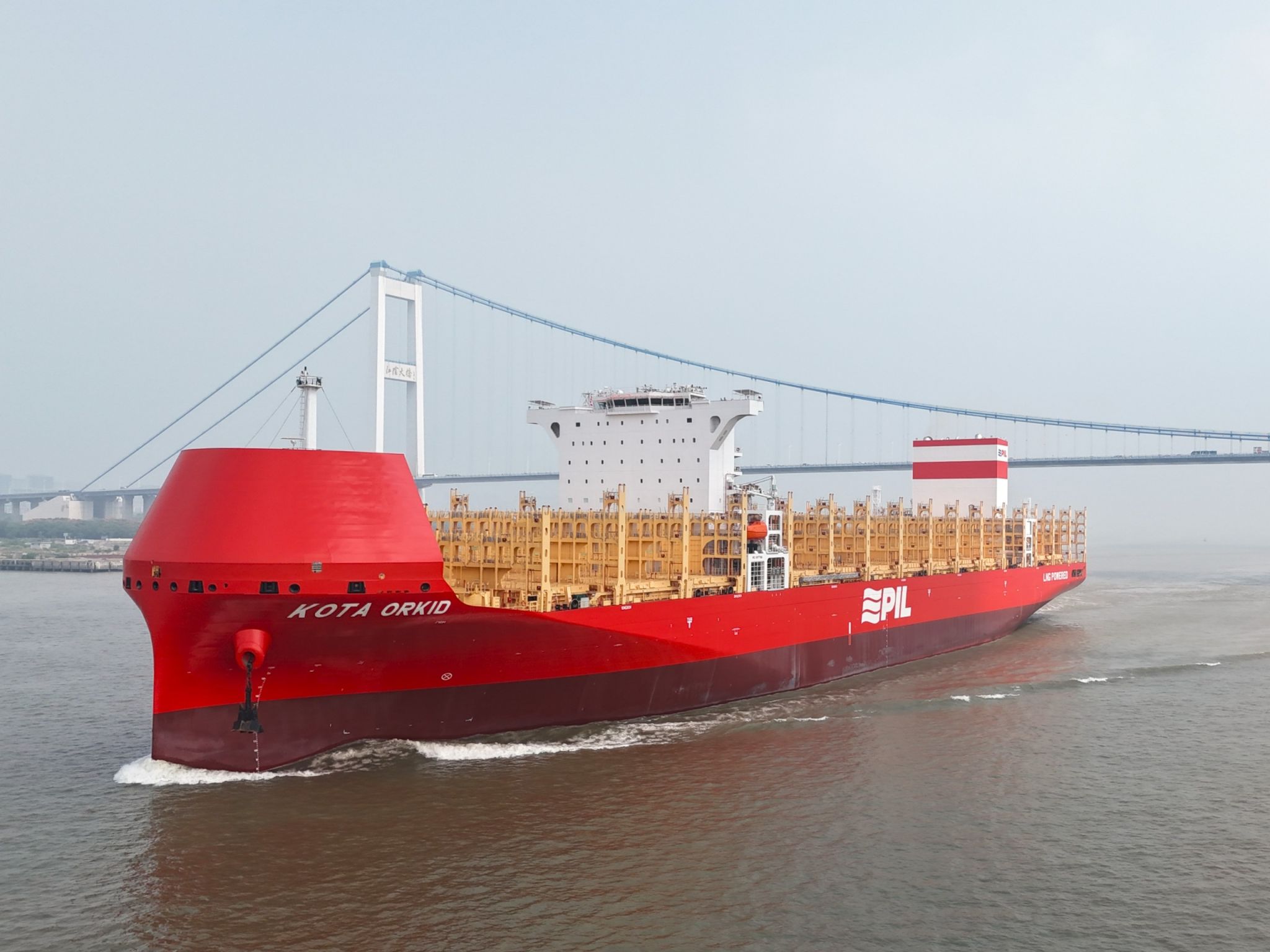
“Kota Orkid” is equipped with engines that significantly reduce methane emissions and offer the flexibility to run on bio-methane fuels.

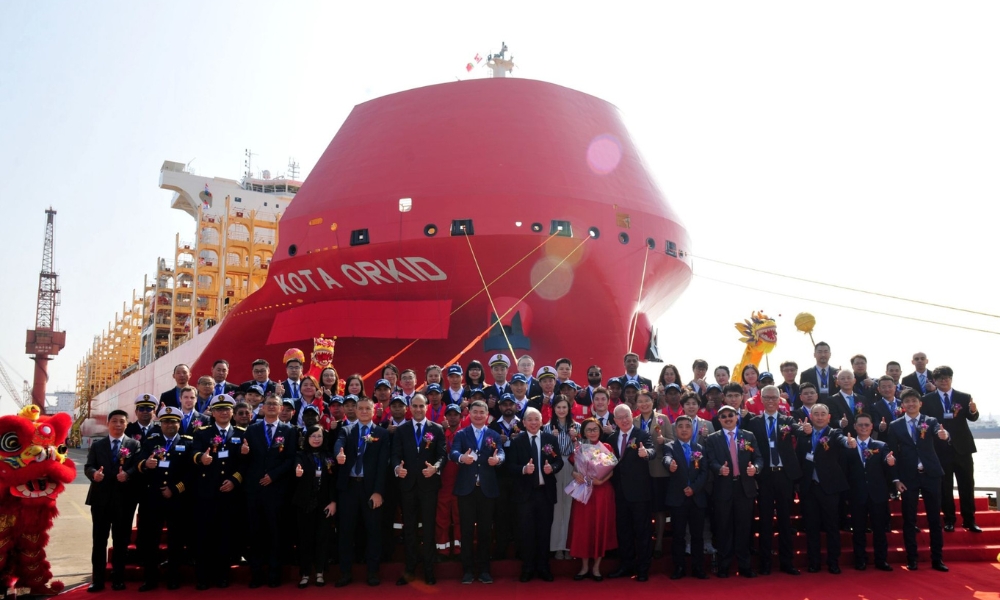
Singapore-based Pacific International Lines (PIL) on Tuesday (28 October) announced the naming of our fourth 8,200 TEU LNG dual-fuel ‘O’-Class container vessel, Kota Orkid.
The vessel was named by Lady Sponsor Mrs Annie Yap, wife of PIL Board Director Mr Yap Chee Keong, at the Yangzijiang Shipbuilding yard in Jiangsu, China. The name was inspired by Singapore’s national flower.
Kota Orkid joins sister ‘O’ Class ships – Kota Oasis, Kota Ocean, and Kota Odyssey – on PIL’s South West Africa Service (SWS), enhancing connectivity between Asia and West Africa. With this addition, PIL strengthens its service capacity and flexibility.
Mr. S.S. Teo, Executive Chairman of PIL, said: “The naming of our eighth newbuild vessel in the last one year is another step forward in our fleet expansion and renewal strategy. As we grow our LNG-powered fleet, we are not only investing in capacity and technology but also in greener shipping. This vessel will play a key role in enhancing our service offerings and delivering greater value to our customers.”
Kota Orkid is PIL’s eighth LNG-powered vessel delivered to date. Alongside the four ‘O’ Class vessels delivered this year, PIL has also received four 14,000 TEU LNG dual-fuel vessels since 2024. The company has another 12 LNG dual-fuel vessels on order, including five 13,000 TEU and seven 9,000 TEU ships, scheduled for delivery in the coming years.
Mr Lars Kastrup, CEO of PIL, added, “Kota Orkid demonstrates how PIL’s fleet is becoming cleaner, smarter, and more efficient. As we embrace greener fuels, and leverage advanced technology and digital systems, we ensure that PIL remains sustainable, resilient and future-focused to meet the evolving demands of global trade with agility and innovation.”
These vessels are equipped with engines that significantly reduce methane emissions and offer the flexibility to run on bio-methane fuels. Their hydrodynamic hull designs and advanced anti-fouling coatings also contribute to better fuel efficiency.
Photo credit: Pacific International Lines
Published: 29 October, 2025
Newbuilding
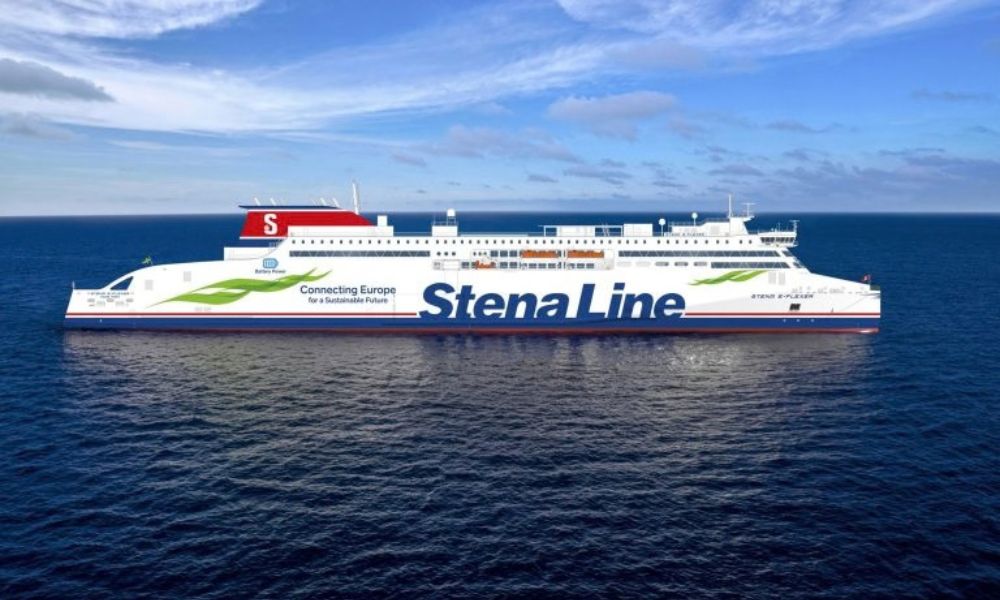
Stena Line orders two new hybrid ferries for Sweden – Denmark route
Vessels will feature the latest hybrid propulsion technology, allowing them to operate on both conventional fuel and electricity and will be prepared for conversion to 100% electric operation.
Alternative Fuels
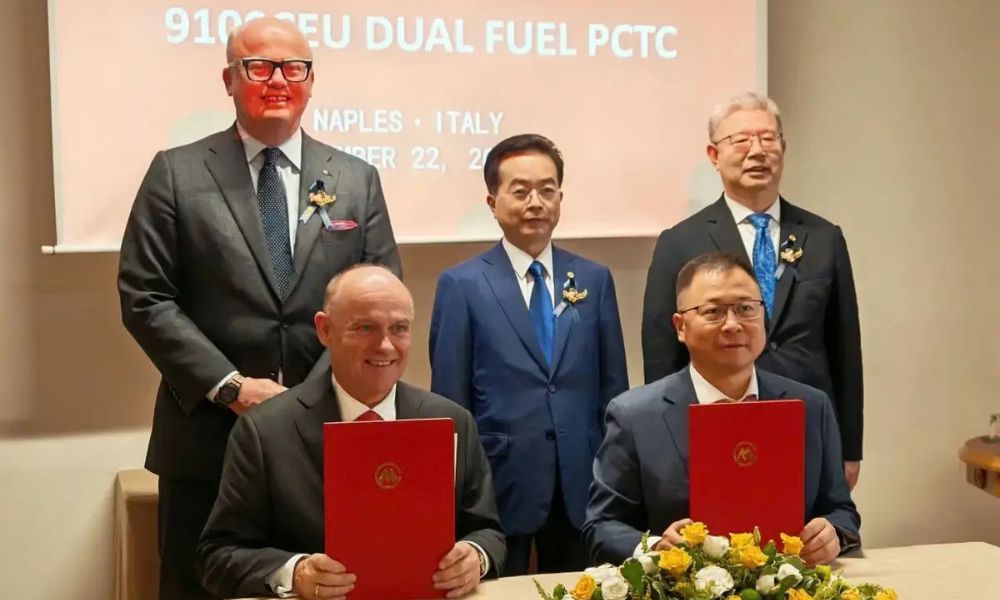
Höegh Autoliners orders six more ammonia, methanol-ready Aurora class PCTCs
Höegh Autoliner inked a contract with China Merchants Group for six additional Aurora class PCTCs, which will be built by China Merchants Heavy Industry (Jiangsu) and delivered between 2029 and 2031.
Newbuilding
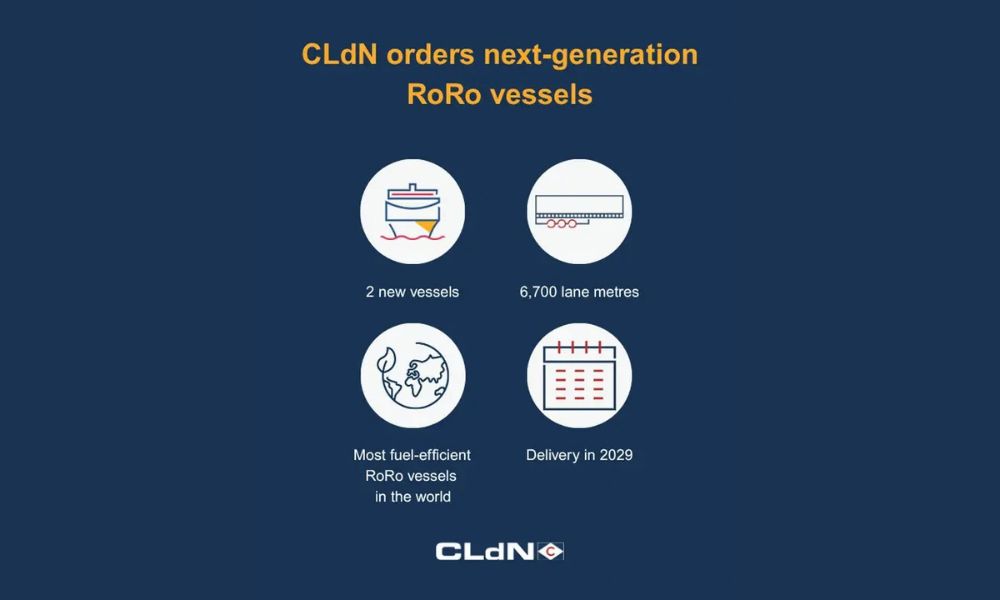
CLdN orders two LNG dual-fuel RoRo vessels from HD Hyundai Heavy Industries
New vessels will be built with space reserved for the future addition of larger electric shaft generators and batteries as the technology matures.

OUR INDUSTRY PARTNERS

Shell Singapore charged over Pulau Bukom oil leaks, reporting delays

MPA probes Singapore Strait collision involving fishing vessel, bulk carrier

TFG Marine deploys first MFM-equipped bunker barge in Jamaica

Seascale Energy names Gaetan Perret co-CEO as Olivier Josse prepares to retire

DNV: New research shows how regulation could reshape shipping

Stena Line orders two new hybrid ferries for Sweden – Denmark route

ENGINE: Americas Bunker Fuel Availability Outlook (24 Sep 2026)

Singapore: Marine fuel testing firm CCIC Singapore faces winding up application

High Court of Singapore issues winding up order against Hengli Petrochemical International

APPEC 2026: Digitalisation in bunkering not merely a ‘paper-to-screen’ swap, states panellists

APPEC 2026: Panellists navigate maritime decarbonisation and alternative marine fuel strategies

LDA’s methanol-powered “Spirit of Toulouse” gets Norsepower rotor sail in Shanghai

Goldwind green methanol facility completes trial production, ships first 500 mt

Singapore: Bunker fuel sales down by 4% on year in August 2026
-
 Winding up2 weeks ago
Singapore: Marine fuel testing firm CCIC Singapore faces winding up application
-
 Winding up2 weeks ago
High Court of Singapore issues winding up order against Hengli Petrochemical International
-
 Technology2 weeks ago
APPEC 2026: Digitalisation in bunkering not merely a ‘paper-to-screen’ swap, states panellists
-
 Alternative Fuels2 weeks ago
APPEC 2026: Panellists navigate maritime decarbonisation and alternative marine fuel strategies
-
 Wind-assisted2 weeks ago
LDA’s methanol-powered “Spirit of Toulouse” gets Norsepower rotor sail in Shanghai
-
 Methanol2 weeks ago
Goldwind green methanol facility completes trial production, ships first 500 mt
-
 Alternative Fuels2 weeks ago
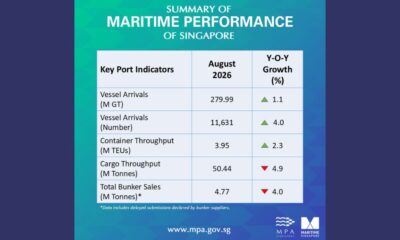
Singapore: Bunker fuel sales down by 4% on year in August 2026
-
 Bunker Fuel2 weeks ago
APPEC 2026: Equatorial and Kuwait Petroleum Corporation discuss Middle East bunker market dynamics