
Alternative Fuels
DHL adds sustainable bunker fuel option for full-container load shipments
DHL Global Forwarding is offering to reduce its main haul carbon emissions with the use of Sustainable Marine Fuels for ocean freight.

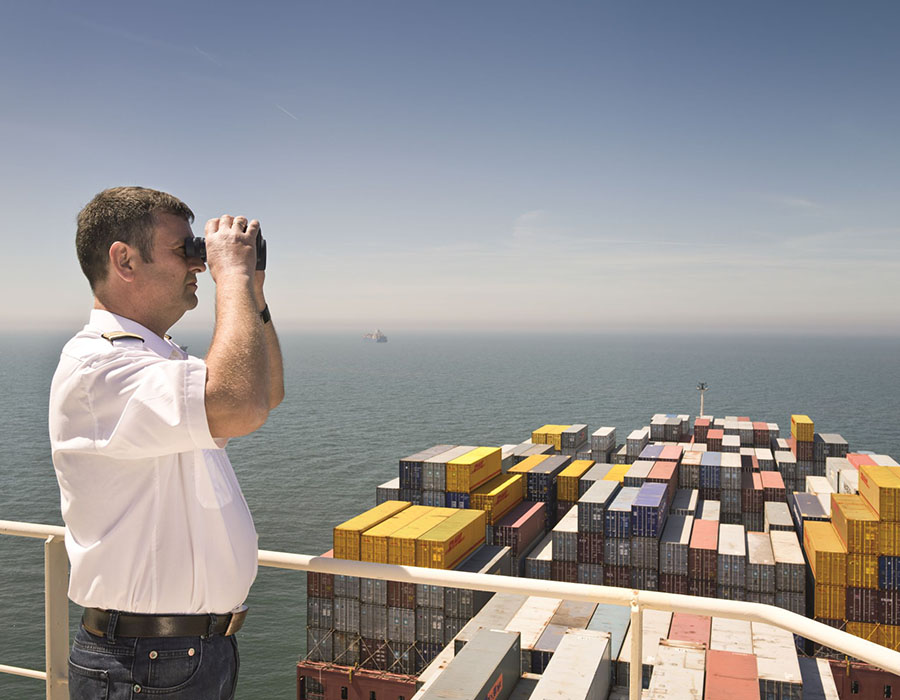
DHL Global Forwarding on Wednesday (16 June) introduced a Sustainable Marine Fuel (SMF) service for ocean freight as part of their sustainability strategy with the carbon reduction option to Full-Container Load (FCL) shipments.
“The SMF based service makes it easy for our customers to reduce their carbon footprint and has been very well received so far,” said Dominique von Orelli, Global Head of Ocean Freight, Global Forwarding.
“We are very excited that we can now also offer this option for FCL shipments and provide our customers with the opportunity to decarbonize their entire ocean freight trade lanes.”
Customers can choose the use of sustainable biofuels e.g. via the myDHLi Quote + Book function, which also includes a carbon calculator.
Through the “book & claim” mechanism, there is no requirement for physical traceability of the fuel through a supply chain, as the environmental attributes of the SMF are separated from and can be purchased independently from the physical fuel.
When selecting sustainable marine fuels, care is taken to ensure that they are produced with sustainable feedstock and do not conflict with other sustainability requirements, such as food production.
Waste-based biofuels must meet the requirements to be considered the cleanest biofuels currently available on the market according to strict sustainability standards. With the goal of “burn less, burn clean”, the logistics provider aims to optimise carbon consumption across its network, fleet, and real estate.
The use of sustainable marine fuels is an important lever for DHL Global Forwarding to reduce the environmental footprint of ocean freight.
As part of this, DHL has a GoGreen carrier rating programme that allows the freight forwarder to give preference to carriers with strong environmental performance.
Offering a sustainable fuel alternative for ocean freight is another step within the Group’s sustainability efforts.
By 2030, the Group wants to invest 7 billion euros in climate-neutral logistics solutions and cover at least 30 percent of fuel requirements by sustainable fuels, according to their recently published sustainability roadmap.

Photo credit: DHL
Published: 17 June, 2021
Alternative Fuels
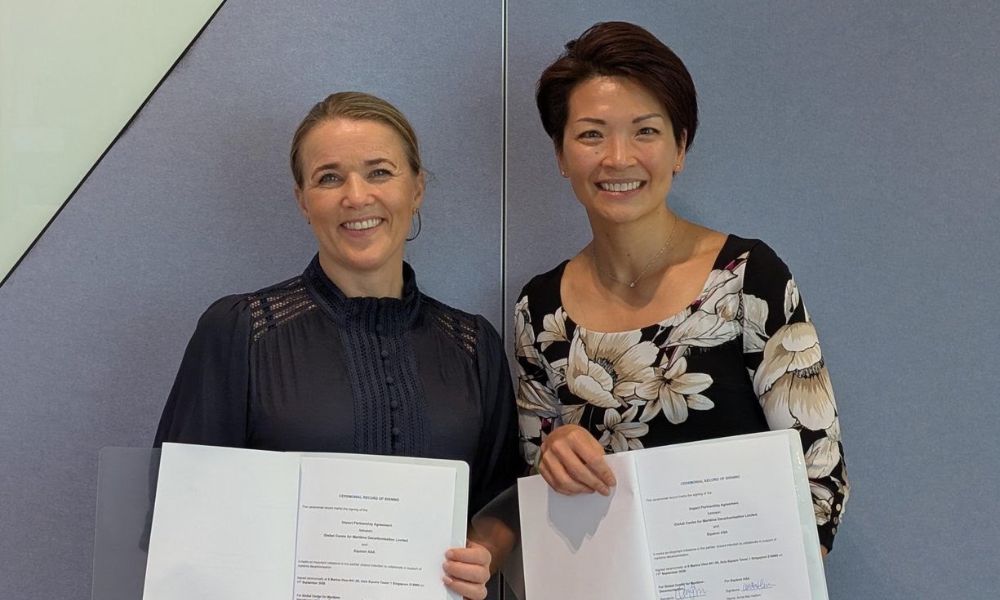
GCMD, Equinor to combine expertise on alternative bunker fuels, decarbonisation solutions
Equinor brings extensive experience to partnership as a vessel charterer and marine fuel supplier, including chartering dual-fuel LNG and methanol tankers, testing biofuels and supplying methanol.
Decarbonisation
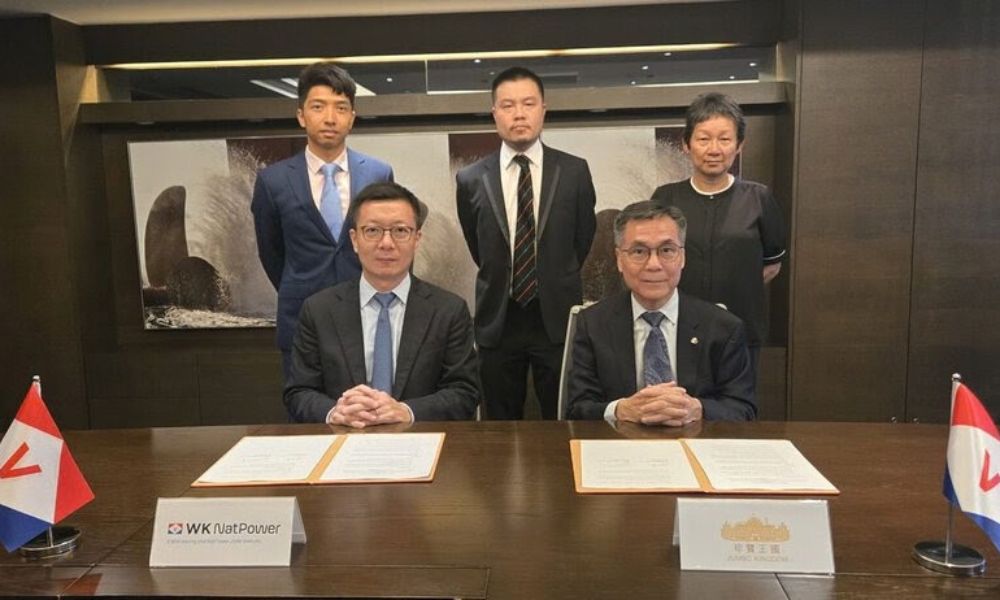
Wah Kwong NatPower, AREL partner on maritime electrification in Hong Kong
Collaboration will examine opportunities to deploy shore power facilities, vessel charging infrastructure and battery energy storage solutions, alongside the development of electric vessels.
Ammonia
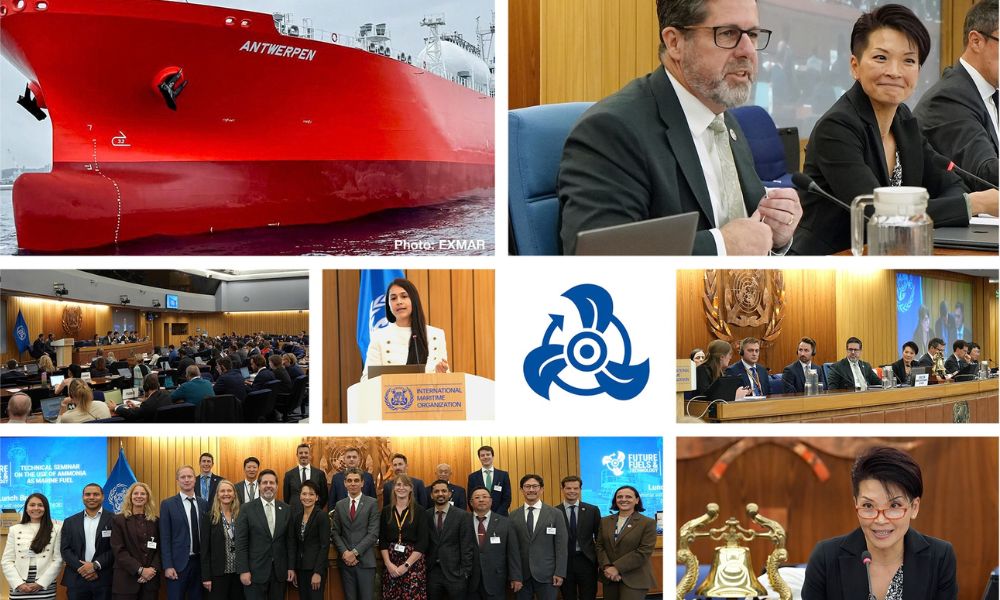
IMO technical seminar examines ammonia bunkering and infrastructure
Around 800 participants exchanged technical information and experiences on the potential use of ammonia as a marine fuel, including developments in production and bunkering and infrastructure.

OUR INDUSTRY PARTNERS

MPA: 25 crew rescued after abandoning “MSC HERMES III” east of Vietnam

GCMD, Equinor to combine expertise on alternative bunker fuels, decarbonisation solutions

Wah Kwong NatPower, AREL partner on maritime electrification in Hong Kong

IMO technical seminar examines ammonia bunkering and infrastructure

Spring Marine to expand use of Sulnox Eco with four-year supply agreement

PortXchange: Rotterdam bunker volume shift offers warning as Spain adopts fuel law

ENGINE: East of Suez Fuel Availability Outlook (22 Sep 2026)

Singapore: Marine fuel testing firm CCIC Singapore faces winding up application

Peninsula confirms one fatality, crew member missing from bunker tanker “Hercules Star”

Singapore: MPA working with industry on next phase of digital bunkering, says Deputy CE

Amogy and LOTTE Fine Chemical to explore ammonia bunkering in South Korea

High Court of Singapore issues winding up order against Hengli Petrochemical International

Polaris Shipping orders WinGD engines capable of running on methanol, ethanol

APPEC 2026: Digitalisation in bunkering not merely a ‘paper-to-screen’ swap, states panellists
-
 Winding up1 week ago
Singapore: Marine fuel testing firm CCIC Singapore faces winding up application
-
 Incident2 weeks ago
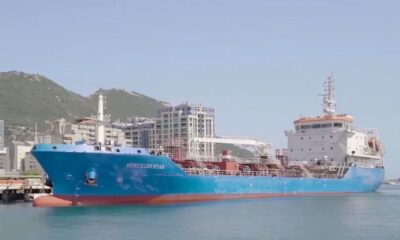
Peninsula confirms one fatality, crew member missing from bunker tanker “Hercules Star”
-
 Technology2 weeks ago
Singapore: MPA working with industry on next phase of digital bunkering, says Deputy CE
-
 Ammonia2 weeks ago
Amogy and LOTTE Fine Chemical to explore ammonia bunkering in South Korea
-
 Winding up1 week ago
High Court of Singapore issues winding up order against Hengli Petrochemical International
-
 Engine2 weeks ago
Polaris Shipping orders WinGD engines capable of running on methanol, ethanol
-
 Technology1 week ago
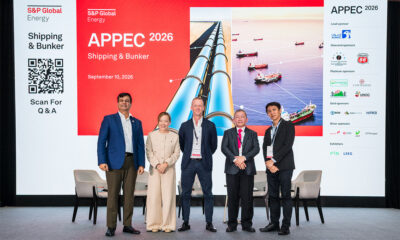
APPEC 2026: Digitalisation in bunkering not merely a ‘paper-to-screen’ swap, states panellists
-
 Financial Result2 weeks ago
Singapore-based Uni-Fuels H1 2026 net income jumps 1,415% to USD 1.4 million