

Business
Singapore: Equatorial Marine Fuel conducts carbon credit trial with Carbon Management Solutions
‘Lower carbon’ marine fuel oil bought from transaction will be utilised by EMF to partially offset clients’ vessel emissions,” EMF Executive Director, Choong Zhen Mao, tells bunkering publication Manifold Times.

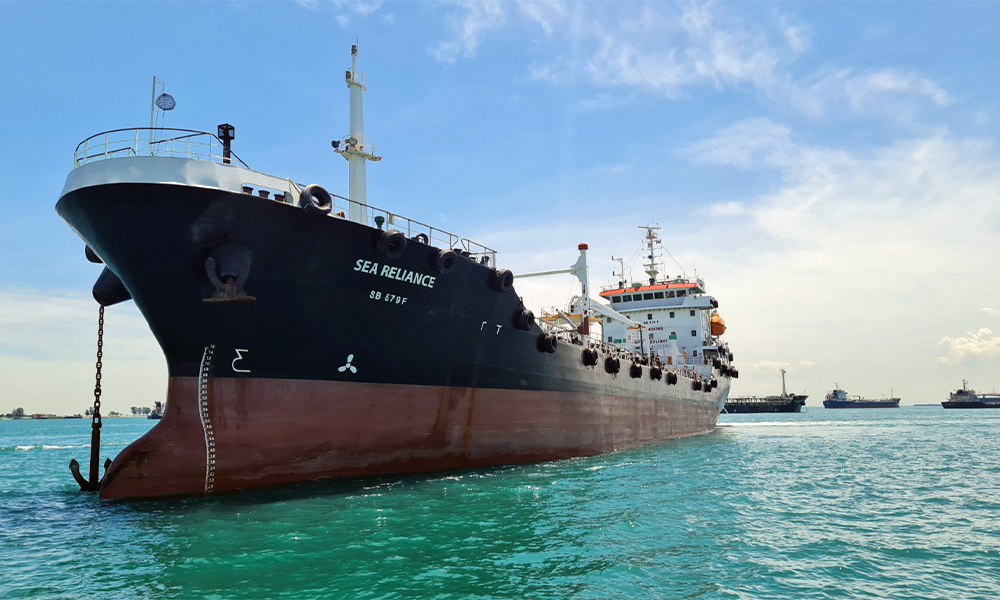
Singapore bunker supplier Equatorial Marine Fuel Management Services (EMF) in late June completed a carbon credit transaction with commodities decarbonisation platform Carbon Management Solutions (CMS).
The purchase, conducted through a collaboration between CMS and carbon credit exchange Xpansiv, was for ‘lower carbon’ marine fuel oil.
Bunker fuel from this transaction will be utilised by EMF to partially offset clients’ vessel emissions.
“Accountability has always been an issue of contention amidst the green agenda, we at EMF are glad to be partners with CMS in this elegant approach,” said EMF Executive Director, Choong Zhen Mao.
“There has been a growing trend to explore multi prong solutions to navigate the green agenda. On this front, we seek to further enable our clients and hope to provide more optionality to our customers.”
Both EMF and CMS plan to continue this partnership, with a vision of offering decarbonisation as an optional service for clients, thereby allowing them to select their preferred level of decarbonisation.
This initiative continues to have the support of the Monetary Authority of Singapore (MAS) as part of Project Greenprint, which seeks to harness technology and data to create a more transparent, trusted, and efficient ESG ecosystem.
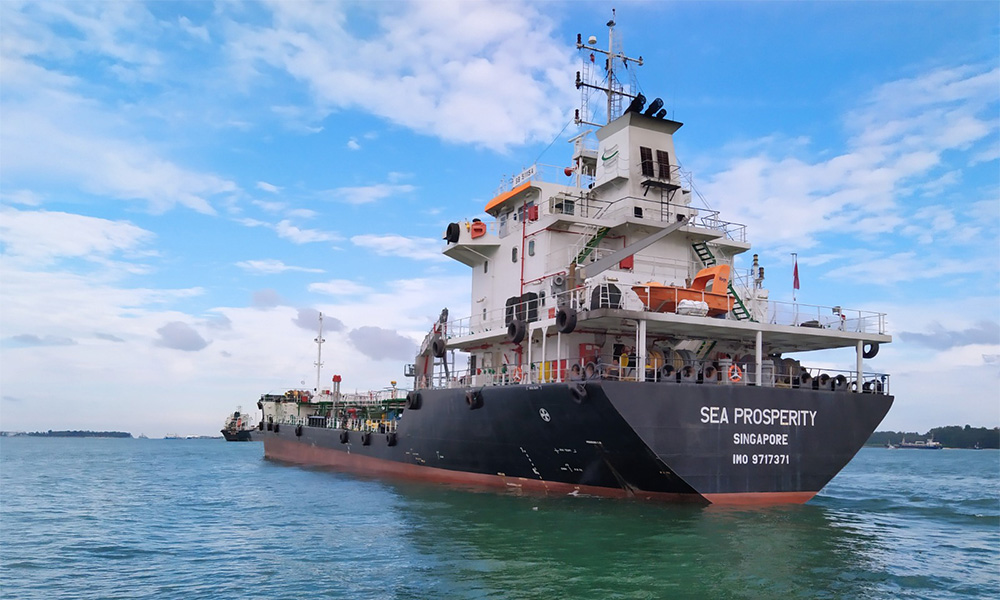
CMS has earlier completed a similar successful pilot transaction with Chevron Singapore.
“We are excited to continue driving the transition towards a lower carbon commodities industry with this second transaction,” said Anthony Bennett, COO of CMS.
“We’re committed to offering innovative solutions that contribute to a sustainable future. This partnership with EMF is another step in that direction.”
In 2022 Equatorial was ranked by the Maritime and Port Authority of Singapore (MPA) as the largest bunker supplier by volume in Singapore.
Related: Exclusive: Estimated marine fuel sales figures of Singapore top 10 bunker suppliers by volume in 2022
Related: Equatorial Marine Fuel links one third of bunker tanker fleet to SGTraDex in push towards trust & transparency
Related: Singapore: Equatorial Marine Fuel unveils OTT (Online Tracking Tool) to enhance bunker deliveries
Photo credit: Equatorial Marine Fuel Management Services
Published: 12 July, 2023
Bunker Fuel
Singapore: Bunker fuel sales down by 3.8% on year in July 2026
4.73 million mt of various marine fuel grades were delivered at the world’s largest bunkering port in July, up from 4.92 million mt recorded during the similar month in 2025.
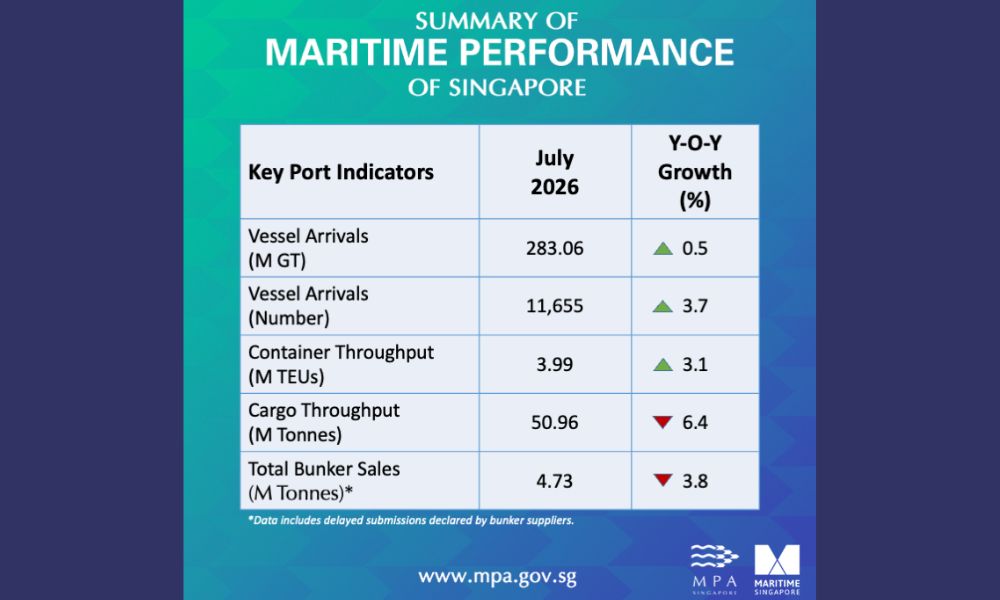
Sales of marine fuel at Singapore port fell by 3.8% on year in July 2026, according to data from the Maritime and Port Authority of Singapore (MPA).
In total, 4.73 million metric tonnes (mt) (exact 4,731,900 mt) of various marine fuel grades were delivered at the world’s largest bunkering port in July, up from 4.92 million mt (4,918,000 mt) recorded during the similar month in 2025.
Deliveries of marine fuel oil, low sulphur fuel oil, ultra low sulphur fuel oil, marine gas oil and marine diesel oil in July (against on year) recorded respectively 1.95 million mt (zero from 1.95 million mt), 2.33 million mt (-2.1% from 2.38 million mt), 1,600 mt (+100% from zero), 700 mt (-82% from 3,900 mt) and zero (from zero).
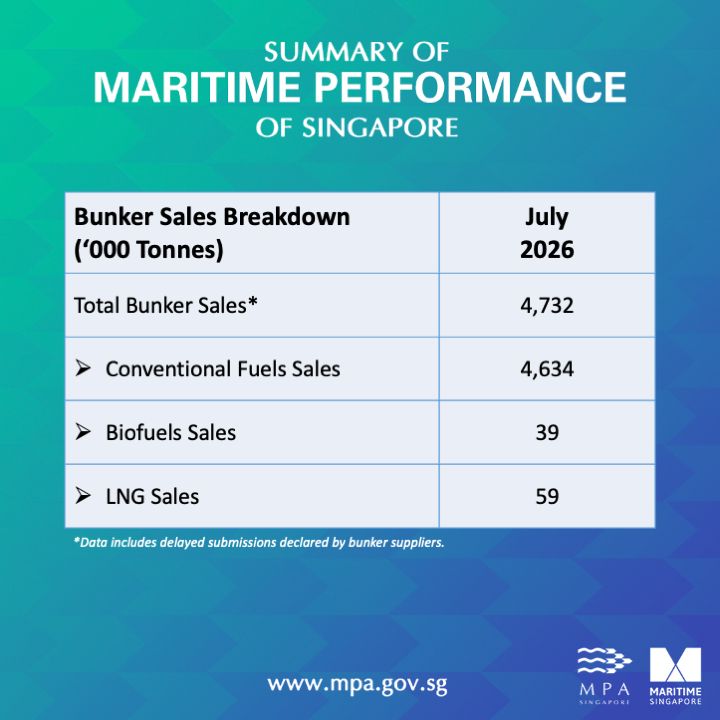
Bio-blended variants of marine fuel oil, low sulphur fuel oil, ultra low sulphur fuel oil, marine gas oil and marine diesel oil in July, (against on year) recorded respectively 8,200 mt (-83.7% from 50,300 mt), 29,900 mt (-62.9% from 80,500 mt), zero (from zero), zero (from zero) and zero (from zero). B100 biofuel bunkers, introduced in February last year, recorded 1,400 mt (-46.2% from 2,600 mt).
LNG and methanol sales were 58,700 mt (+41.4% from 41,500 mt) and zero (from zero) respectively. There were no recorded sales of ammonia for the month and so far since 2025.
Photo credit: Maritime and Port Authority of Singapore
Published: 17 August, 2026
Alternative Fuels
Ammonia, methanol bunkering workshops to be held at 13th Singapore Safety@Sea Week
Three workshops on ammonia bunkering, methanol bunkering, and crew safety awareness are part of MPA’s Safety@Sea Week, which will be held from 17 to 21 August.
Bunker Fuel
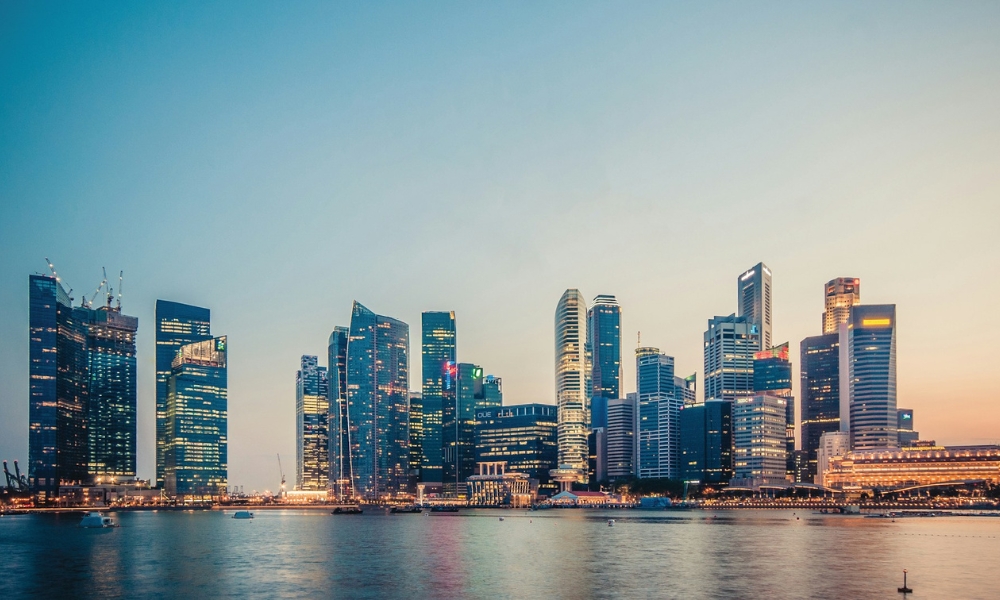
Alkagesta highlights key insights on European choke point pressures in August
Update covers dual supply crisis currently shaping global bunker markets — a stalled Strait of Hormuz peace process and Rhine water levels at a 140-year record low — and the implications for Singapore.

OUR INDUSTRY PARTNERS

Singapore: Bunker fuel sales down by 3.8% on year in July 2026

Ammonia, methanol bunkering workshops to be held at 13th Singapore Safety@Sea Week

Alkagesta highlights key insights on European choke point pressures in August

Singapore: Annual general meetings scheduled for Xihe Holdings subsidiaries

China: SIPG Energy completes first simultaneous two-vessel, two-fuel green bunkering operation

ENGINE: Zhoushan bunkering fully restored after typhoon disruption

Rotterdam port explosion kills one, injures six at petroleum storage facility

ENGINE: Europe and Africa Fuel Availability Outlook (5 August 2026)

ENGINE: East of Suez Fuel Availability Outlook (4 Aug 2026)

ENGINE: Americas Fuel Availability Outlook (6 August 2026)

NW Corporation expands Malaysia bunkering fleet with acquisition of “BELLAA 1”

Singapore: Yuantai Fuel Trading sues Wee Tiong for over USD 1.1 million in unreturned vessel deposit

Exclusive: Caroline Yang takes helm on future of IBIA Asia

HFW strengthens Singapore shipping practice with partner Peter Glover
-
 Bunker Fuel Availability2 weeks ago
ENGINE: Europe and Africa Fuel Availability Outlook (5 August 2026)
-
 Bunker Fuel Availability2 weeks ago
ENGINE: East of Suez Fuel Availability Outlook (4 Aug 2026)
-
 Bunker Fuel Availability1 week ago
ENGINE: Americas Fuel Availability Outlook (6 August 2026)
-
 Bunker Fuel5 days ago
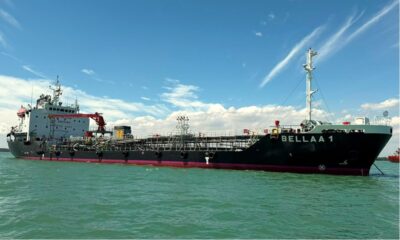
NW Corporation expands Malaysia bunkering fleet with acquisition of “BELLAA 1”
-
 Legal2 weeks ago
Singapore: Yuantai Fuel Trading sues Wee Tiong for over USD 1.1 million in unreturned vessel deposit
-
 Interview2 weeks ago
Exclusive: Caroline Yang takes helm on future of IBIA Asia
-
 Legal2 weeks ago
HFW strengthens Singapore shipping practice with partner Peter Glover
-
 Legal3 days ago
Singapore police arrest eight over alleged illegal MGO transaction off Tuas