
Bunker Fuel
Singapore: Bunker fuel sales increase by 12.8% on year in February 2026
4.67 million mt of various marine fuel grades were delivered at the world’s largest bunkering port in February, up from 4.15 million mt recorded during the similar month in 2025, according to MPA data.

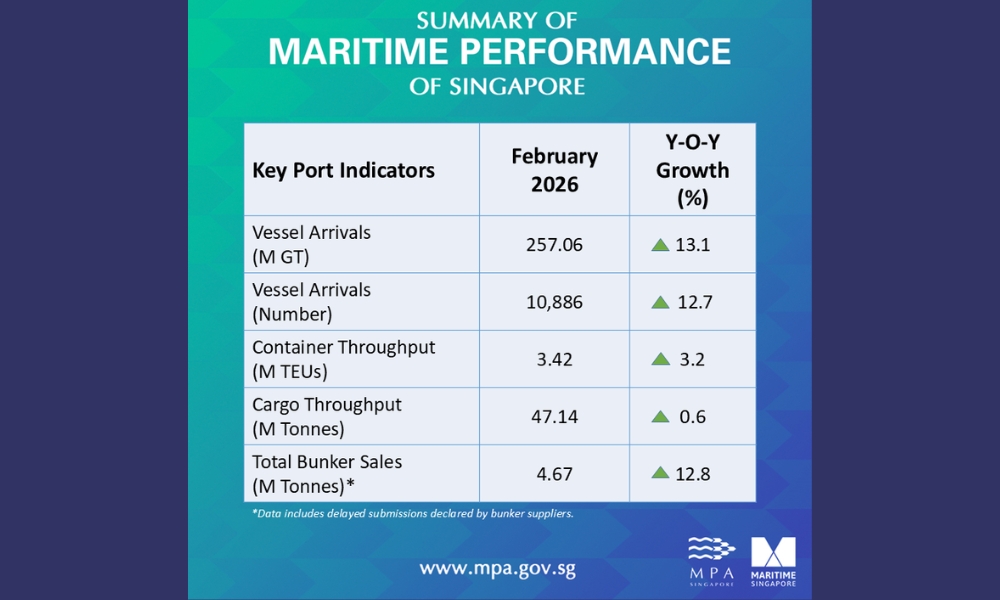
Sales of marine fuel at Singapore port increased by 12.8% on year in February 2026, according to data from the Maritime and Port Authority of Singapore (MPA).
In total, 4.67 million metric tonnes (mt) (exact 4,674,500 mt) of various marine fuel grades were delivered at the world’s largest bunkering port in February, up from 4.15 million mt (4,145,110 mt) recorded during the similar month in 2025.
Deliveries of marine fuel oil, low sulphur fuel oil, ultra low sulphur fuel oil, marine gas oil and marine diesel oil in February (against on year) recorded respectively 1.83 million mt (+13% from 1.62 million mt), 2.31 million mt (+11.6% from 2.07 million mt), 1,600 mt (+100% from zero), 3,600 mt (-59.6% from 8,900 mt) and zero (from zero).
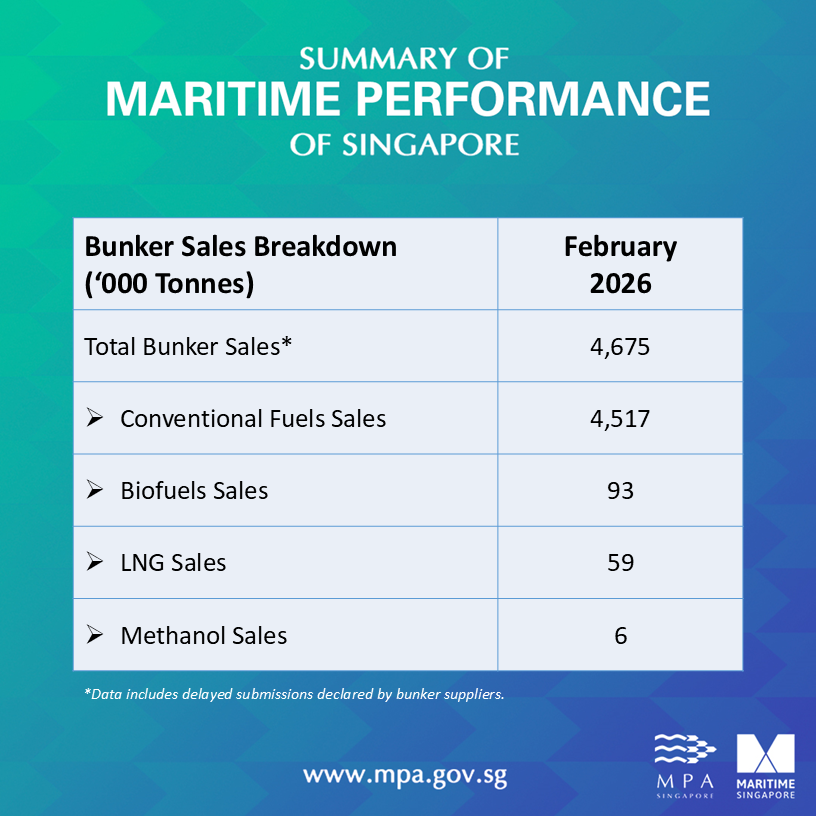
Bio-blended variants of marine fuel oil, low sulphur fuel oil, ultra low sulphur fuel oil, marine gas oil and marine diesel oil in February, (against on year) recorded respectively 14,000 mt (-36.7% from 22,100 mt), 77,500 mt (-8.9% from 85,100 mt), zero (from zero), zero (from zero) and zero (from zero). B100 biofuel bunkers, introduced in February last year, recorded 1,300 mt (-65.8% from 3,800 mt)
LNG and methanol sales were 59,000 mt (+96.7% from 30,000 mt) and 6,000 mt (+100% from zero) respectively. There were no recorded sales of ammonia for the month and so far since 2025.
Related: Singapore: Bunker fuel sales soar by 16.5% on year in January 2026
Related: Singapore annual bunker fuel sales hit new high in 2025
Related: Singapore: Bunker fuel sales soar by 8% on year in November 2025
Related: Singapore: Bunker fuel sales down by 1.2% on year in October 2025
Related: Singapore: Bunker fuel sales increase by 8.9% on year in September 2025
Related: Singapore: Bunker fuel sales increase by 8.9% on year in August 2025
Related: Singapore: Bunker fuel sales increase by 5.7% on year in July 2025
Related: Singapore: Bunker fuel sales soar by 7.5% on year in June 2025
Related: Singapore: Bunker sales volume raises to year record high of 4.88 million mt in May
Related: Singapore: Bunker fuel sales increase by 4% on year in April 2025
Related: Singapore: Bunker fuel sales increase by 0.5% on year in March 2025
Related: Singapore: Bunker fuel sales down by 8.1% on year in February 2025
Related: Singapore: Bunker fuel sales down by 9.1% on year in January 2025
A complete series of articles on Singapore bunker volumes reported by Manifold Times tracked since 2018 can be found via the link here.
Photo credit: Maritime and Port Authority of Singapore
Published: 17 March, 2026
Business
Straits Energy proposes MYR 90 million capital reduction to offset accumulated losses
Straits Energy Resources proposed to undertake a reduction of MYR 90 million of its issued share capital to offset accumulated losses of the company and strengthen its financial position.
Business
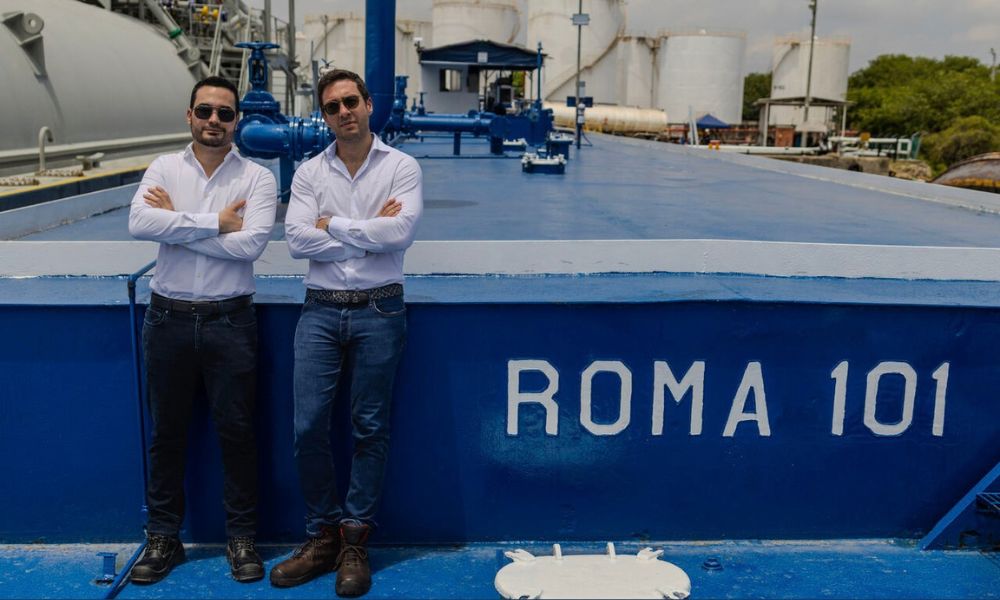
Monjasa strengthens Colombia bunker supply with BIRE-approved barges
Company says “Roma 101” and “Roma 304” have passed BIRE inspections, confirming compliance with international standards required for collaboration with oil majors.
Alternative Fuels
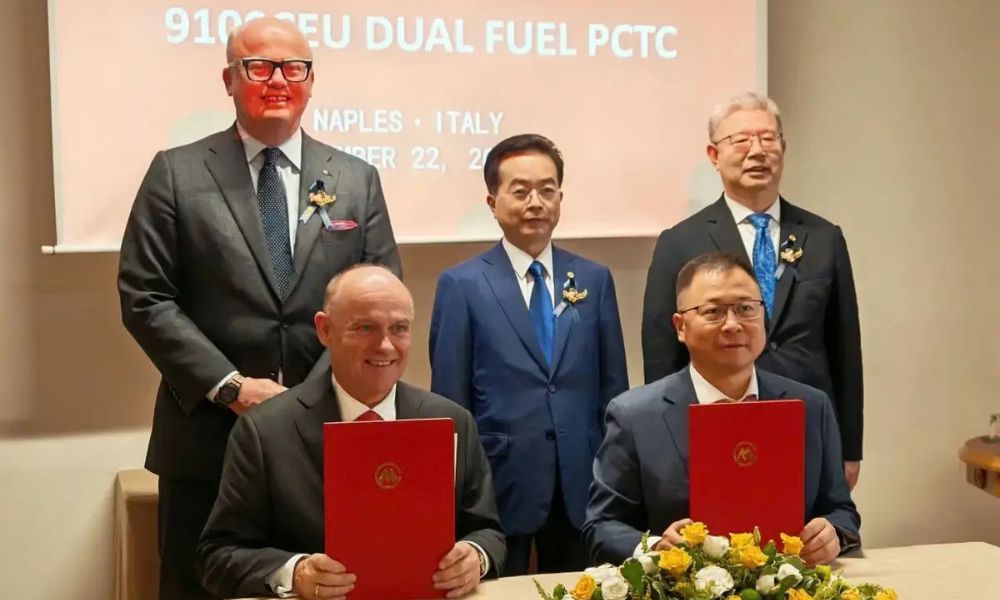
Höegh Autoliners orders six more ammonia, methanol-ready Aurora class PCTCs
Höegh Autoliner inked a contract with China Merchants Group for six additional Aurora class PCTCs, which will be built by China Merchants Heavy Industry (Jiangsu) and delivered between 2029 and 2031.

OUR INDUSTRY PARTNERS

Singapore: Liquidator of Xin Bo Shipping Pte Ltd issues notice of dividend

Singapore: Creditors’ meeting for Fair Wind Chartering Pte Ltd scheduled for 6 October

Straits Energy proposes MYR 90 million capital reduction to offset accumulated losses

Monjasa strengthens Colombia bunker supply with BIRE-approved barges

Höegh Autoliners orders six more ammonia, methanol-ready Aurora class PCTCs

CLdN orders two LNG dual-fuel RoRo vessels from HD Hyundai Heavy Industries

ENGINE: Europe & Africa Bunker Fuel Availability Outlook (23 Sep 2026)

Singapore: Marine fuel testing firm CCIC Singapore faces winding up application

Amogy and LOTTE Fine Chemical to explore ammonia bunkering in South Korea

High Court of Singapore issues winding up order against Hengli Petrochemical International

APPEC 2026: Digitalisation in bunkering not merely a ‘paper-to-screen’ swap, states panellists

Polaris Shipping orders WinGD engines capable of running on methanol, ethanol

APPEC 2026: Panellists navigate maritime decarbonisation and alternative marine fuel strategies

ENGINE: Americas Fuel Availability Outlook (10 Sep 2026)
-
 Winding up1 week ago
Singapore: Marine fuel testing firm CCIC Singapore faces winding up application
-
 Ammonia2 weeks ago
Amogy and LOTTE Fine Chemical to explore ammonia bunkering in South Korea
-
 Winding up1 week ago
High Court of Singapore issues winding up order against Hengli Petrochemical International
-
 Technology1 week ago
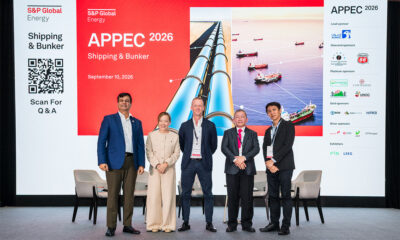
APPEC 2026: Digitalisation in bunkering not merely a ‘paper-to-screen’ swap, states panellists
-
 Engine2 weeks ago
Polaris Shipping orders WinGD engines capable of running on methanol, ethanol
-
 Alternative Fuels1 week ago
APPEC 2026: Panellists navigate maritime decarbonisation and alternative marine fuel strategies
-
 Bunker Fuel Availability2 weeks ago
ENGINE: Americas Fuel Availability Outlook (10 Sep 2026)
-
 Wind-assisted1 week ago
LDA’s methanol-powered “Spirit of Toulouse” gets Norsepower rotor sail in Shanghai