Connect with us

Safety

Gard on Red Sea update: Cautious optimism after Gaza truce?

Gard shares an insight on the latest threat update on shipping in the Red Sea and mitigation measures as advised by Ambrey while also offering its own take and advice to both shipowners and charterers.

Admin

Published

on

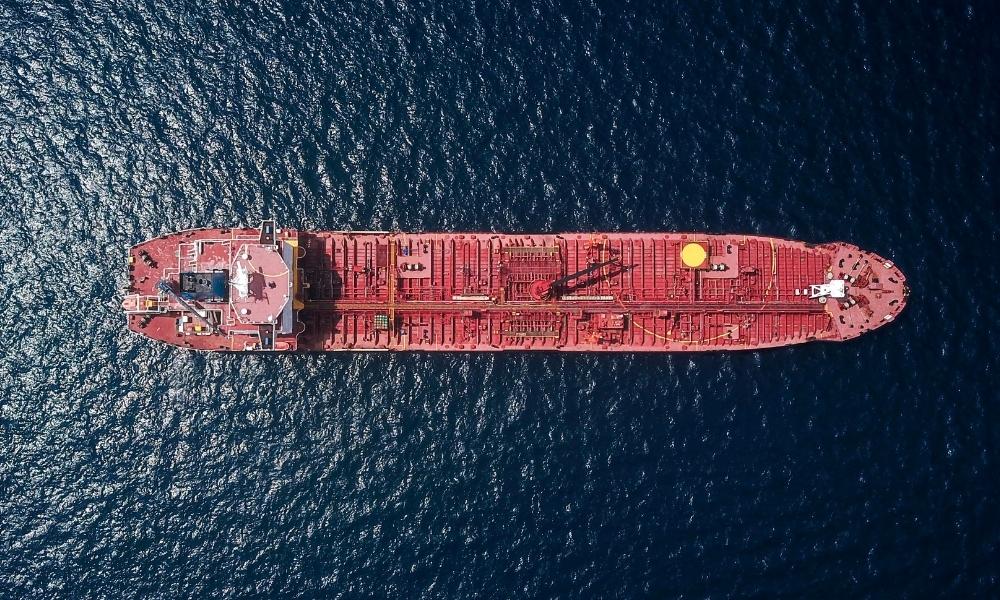
RESIZED Shaah Shahidh on Unsplash

Maritime protection and indemnity (P&I) club Gard on Thursday (19 December) published an insight on the latest threat update on shipping in the Red Sea and mitigation measures as advised by Ambrey. 

Gard also offered its take and advice to both shipowners and charterers: 

The Houthi militia in Yemen has announced a conditional pause in their threats against shipping in the Red Sea, aligning it with the recent ceasefire agreement in Gaza.

The declaration, of 19 January 2025, by the Humanitarian Operations Coordination Center (HOCC), allows for the resumption of trade for all vessels except those flagged or owned by Israeli individuals or entities. However, this pause in hostilities is contingent upon the Houthis’ assessment of Israel’s actions in the coming days and weeks. Below, you can find the latest threat update and mitigation measures as advised by Ambrey.

Threat update

This constitutes the Houthi intent at least until Israel and Hamas reach agreement on the terms of ‘Phase 2’ of the ceasefire and commence its implementation. ‘Phase 1’ is set to last 42 days from the 19 January 2025, with an agreement on ‘Phase 2’ to be reached by week 5. The coming weeks will provide the proof of whether the Houthi follow suit with their stated intent.

During this period, the threat to all shipping is reduced apart from Israel-owned and -flagged vessels. However, this is subject to flashpoint escalation if the Houthi consider Israel to be in breach of the ceasefire agreement. Ambrey assesses shipping with links to Israel and Israeli trade to be at greater risk than US- and UK-owned shipping as the ceasefire remains fragile and secondary negotiations continue. Houthi military action in response to a perceived breach of the ceasefire agreement by Israel remains possible and would highly likely impact Israel-affiliated shipping first. The original US and UK response on the 11 January 2024 was preceded by attacks on shipping trading with Israel and could well lead to further US and UK military operations against the Houthi.

The Houthi did not specify how they intend to prevent an Israel-owned or -flagged vessel from transiting the Bab el-Mandeb. The attack on such as vessel, or a flashpoint escalation, is assessed possible to result in an Israeli airstrike against the Houthi.

There is a probability for the US to launch airstrikes in response to Houthi military action against merchant shipping or naval assets, raising the risk for US and UK-owned shipping. The Joint Maritime Information Centre (JMIC) issued the warning: “Maritime industry should be skeptical of recent Houthi claims.” The JMIC further stated that the threat to shipping associated with Israel, the US, or UK would “remain high”. The US has not yet offered statements of intent in response to the Houthi declaration. The threat to US and UK shipping originated as a stated consequence of joint US/UK airstrikes on Houthi military positions. These airstrikes, in turn, were initiated in response to the rising threat to maritime trade through the southern Red Sea. If the Houthi were to completely cease their operations, the US may no longer assess a requirement for airstrikes. However, any further US or UK military action against the Houthi would highly likely cause the re-emergence of the threat to US- or UK-owned vessels.

A return of shipping to the region is almost certain to occur gradually, provided the ceasefire holds. The threat to shipping in the Red Sea and Gulf of Aden continues to be conditional and future escalation beyond the present conditionality of the ceasefire may occur.

Mitigation measures

Affiliation checks against the Houthi target profile: Ambrey recommends a thorough affiliation check as part of a transit risk assessment is performed for Red Sea and Gulf of Aden voyages. Ambrey has adjusted this to reflect the stated intent.

Ship Security Assessments: Merchant shipping assessed to be at heightened risk is advised to carry out Ship Security Assessments tailored to the threat, and to implement recommended and proportionate ship protection measures before sailing.

Physical security: Private Armed Security Teams can be highly effective against certain threat vectors. Ambrey continues to recommend considering increased team sizes with appropriate armament.

Bridge support: Private Armed Security Teams to prepare and reassure crew and assist with military liaison. Digital operations can also support with route planning and keep the bridge and shore staff informed of any changes in risk while enroute.

Conclusion

In conclusion, both the Houthis and Israel have considerable leeway in interpreting events, creating a significant risk of renewed hostilities. While the shipping industry welcomes this development, a return to normalcy remains uncertain. Sustained restraint by all parties – the Houthis, Israel, and Hamas – is crucial, along with favourable political conditions in Yemen to maintain the cessation of Houthi maritime attacks. Past events, such as alleged Israeli ceasefire violations in Lebanon prior to the Gaza agreement, demonstrate the potential for the Houthis to exploit such incidents as justification for resuming their campaign. In a speech delivered on 20 January 2025, Houthi leader Abdul-Malik al-Houthi stated that the Houthi movement remains “in constant readiness for immediate intervention” should Israel resume any escalation of hostilities. 

We therefore advise both shipowners and charterers to continue to monitor the situation in the region and conduct a voyage specific risk assessment when considering whether to transit this region. 


Photo credit: Shaah Shahidh on Unsplash
Published: 23 January, 2025

Continue Reading

Business

Singapore: MPA urges maritime firms to prepare for potential haze with plan

MPA encourages all maritime companies, especially those with workers performing outdoor work to maintain a business continuity plan for haze.
Admin

Published

on

By

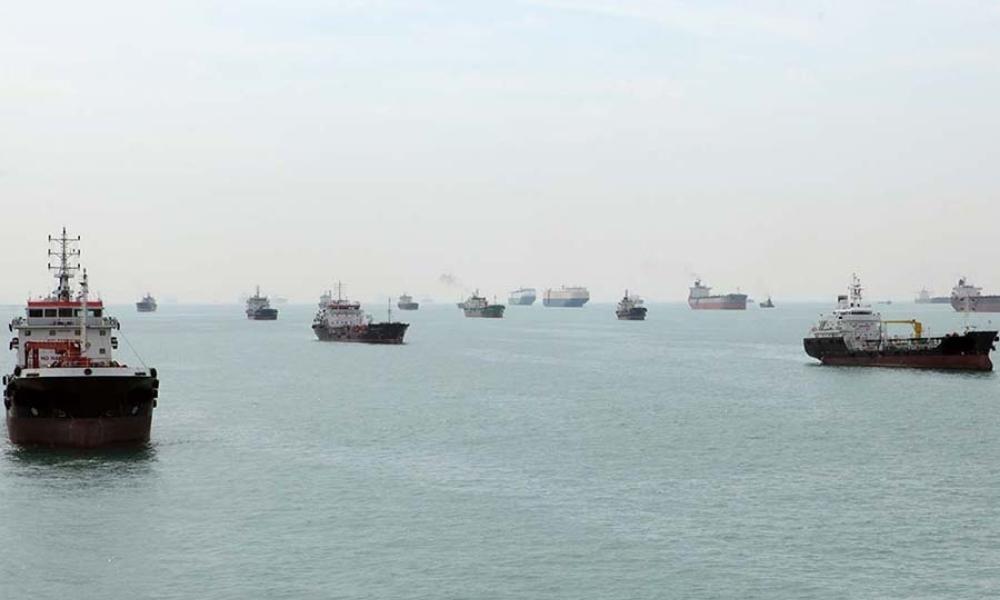
RESIZED SG bunker tanker

The Maritime and Port Authority of Singapore (MPA) on Monday (31 August) issued Port Marine Circular No. 9 of 2026 on steps for maritime companies to take for potential haze affecting Singapore:

BUSINESS CONTINUITY PLAN FOR HAZE

This circular supersedes Port Marine Circular No. 09 of 2023.

With reference to the National Environment Agency’s (NEA) joint media release issued on 9 August 2026, hotspots were observed in parts of Sumatra and Kalimantan, with prevailing winds potentially bringing smoke haze towards Singapore. The dry conditions may further increase the likelihood of haze affecting Singapore. The Maritime and Port Authority of Singapore (MPA) encourages all maritime companies, especially those with workers performing outdoor work to maintain a business continuity plan for haze.

MPA advises all maritime companies to monitor the PSI level through the media and the NEA’s website (www.haze.gov.sg), keep at least a one-week supply of N95 masks for workers especially those who work outdoors, and observe the Ministry of Manpower’s (MOM) Haze guidelines and advisory for work which can be found on their website (www.mom.gov.sg/haze). The latter include guidelines to ensure that stocks of N95 masks are periodically inspected, remain serviceable, and not expired.

The visibility in the Singapore Strait and port waters could be significantly reduced in the event of haze. During periods of restricted visibility, shipmasters are advised to keep a proper lookout and navigate with caution. They are also advised to comply with the International Regulations for Preventing Collisions at Sea and in particular Rule No. 19, Rule No. 20 and Rule 35 concerning conduct of vessels in restricted visibility, exhibition of navigation lights and sound signals in restricted visibility, respectively.

In the interest of safety of navigation and life at sea, the Port Master may restrict the movement of harbour craft and pleasure craft in the port waters during reduced visibility conditions.


Photo credit: Manifold Times
Published: 31 August, 2026

Continue Reading

Business

Indonesia, Malaysia and Singapore reaffirm commitment to free, safe Malacca Strait

Littoral States affirmed the status of the SOMS as a Strait Used for International Navigation, where the right of transit passage applies, as enshrined in the 1982 UNCLOS.

Admin

Published

on

By

RESIZED SG bunker tanker

Indonesia, Malaysia and Singapore reaffirmed their shared commitment to keep the Straits of Malacca and Singapore (SOMS) free, open and safe for international shipping at the 17th Co-operation Forum held in Singapore, according to a joint statement on Tuesday (25 August).

The statement was released by Indonesia’s Directorate General of Sea Transportation (DGST), Malaysia Marine Department (MMD) and Maritime and Port Authority of Singapore (MPA). 

The Littoral States affirmed the status of the SOMS as a Strait Used for International Navigation, where the right of transit passage applies, as enshrined in the 1982 United Nations Convention on the Law of the Sea (UNCLOS) and reflected in customary international law. They underscored the importance of respecting navigational rights and freedoms both in principle and practice.

The Littoral States also reaffirmed the important roles played by User States, international organisations, the maritime industry and other stakeholders in sharing responsibility for and contributing to the safety of navigation and environmental protection in the SOMS. 

At the 17th Co-operation Forum, the Littoral States and stakeholders will discuss proposals to further these efforts, including the safe introduction of new technologies and alternative fuels in the SOMS, and review ongoing technical projects to enhance navigational safety.

The Co-operative Mechanism established by Indonesia, Malaysia and Singapore in 2007 provides the framework for this co-operation. It enables Littoral States to work together with User States and other stakeholders on navigational safety and environmental protection in the SOMS. Its establishment gave practical effect, for the first time, to Article 43 of UNCLOS.

The Littoral States also renewed their commitment to uphold the objective and founding principles of the Co-operative Mechanism.

The Littoral States further expressed their appreciation to stakeholders for their longstanding contributions to the Co-operative Mechanism and encouraged their continued support and participation.

More than 300 delegates from over 125 countries and organisations are expected to attend the two-day forum from 25 to 26 August 2026.


Photo credit: Manifold Times
Published: 25 August, 2026

Continue Reading

Alternative Fuels

ClassNK updates safety guidelines for alternative-fuelled ships

The classification society says it has revised the safety requirements within its guidelines for ships using methanol, ethanol and hydrogen as marine fuels.
Admin

Published

on

By

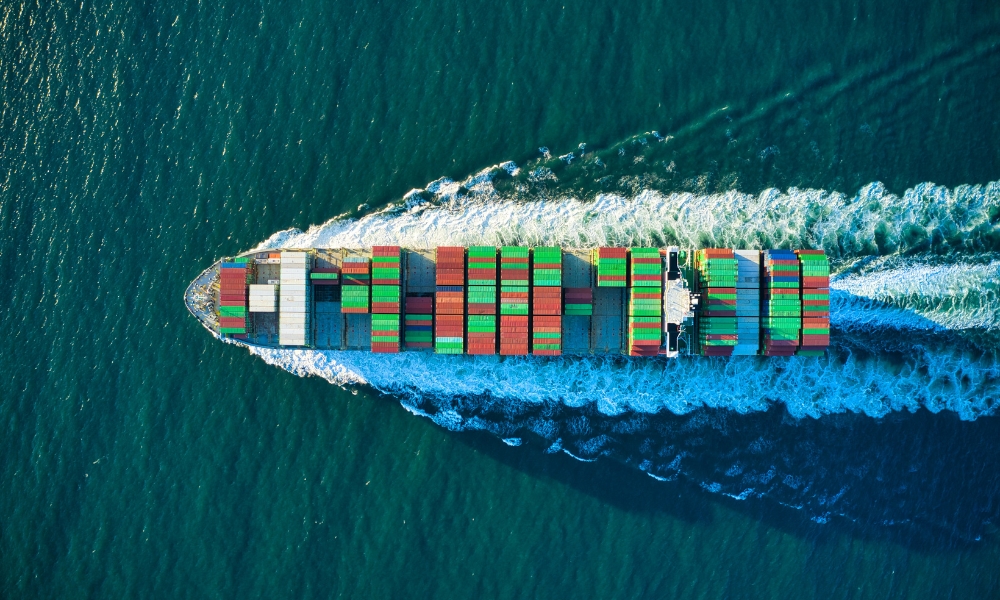
RESIZED Venti Views on Unsplash

Classification society ClassNK on Tuesday (18 August) said it has revised the safety requirements within its guidelines for ships using methanol, ethanol and hydrogen as marine fuels. 

In Part D of the guidelines, covering hydrogen-fuelled ships, the revision incorporates the Interim Guidelines for the Safety of Ships Using Hydrogen as Fuel (MSC.1/Circ.1701) issued by the IMO this year, and additionally introduces a hydrogen leak frequency table that can be used for the safety assessments required under the IMO guidelines. 

In Part A, covering methanol and ethanol-fuelled ships, new structural strength requirements for methanol/ethanol fuel tanks—which are not addressed in the IMO guidelines—have been established. 

“Through this revision, shipyards, designers, and shipowners can carry out design and safety assessments in line with the latest international standards, and by utilizing ClassNK’s own leak frequency estimates and the relevant requirements, they can proceed the development of alternative-fuelled ships in a more rationally,” ClassNK said in a statement. 

As the building of alternative-fuelled ships advances in response to the global challenge of reducing GHG emissions, ClassNK has comprehensively compiled the safety requirements for ships using methanol, ethanol, LPG, ammonia, and hydrogen—fuels regarded as promising alternatives—and has issued the guidelines. 

“Taking into account the risks that the use of alternative fuels poses to the environment, seafarers, and ships, the guidelines set out requirements for equipment, controls, and safety devices to minimize such risks,” it added. 

With the issuance of the IMO guidelines for hydrogen-fueled ships (MSC.1/Circ.1701), ClassNK said it has fully incorporated the IMO guidelines to make the guidelines more user-friendly for shipyards, designers, and shipowners, while also enhancing the requirements serving as design and assessment guidance for other alternative fuels. 

In the development of the IMO guidelines, now reflected in Part D, ClassNK participated as a member of the Japanese delegation to the IMO Sub-Committee CCC 11 and contributed to the discussions.

Note: The Guidelines for Ships Using Alternative Fuels (Edition 3.1)  can be viewed under “Guidelines” on My Page by registering as a user on the ClassNK website. 


Photo credit: Venti Views on Unsplash
Published: 20 August, 2026

Continue Reading
Advertisement

OUR INDUSTRY PARTNERS


Trending