Connect with us
DNV Decarbonization Insight Series August 2026 - What maritime professionals should know about AI Training

Alternative Fuels

Van Oord and Shell together in German biofuel pilot for trailing suction hopper dredger

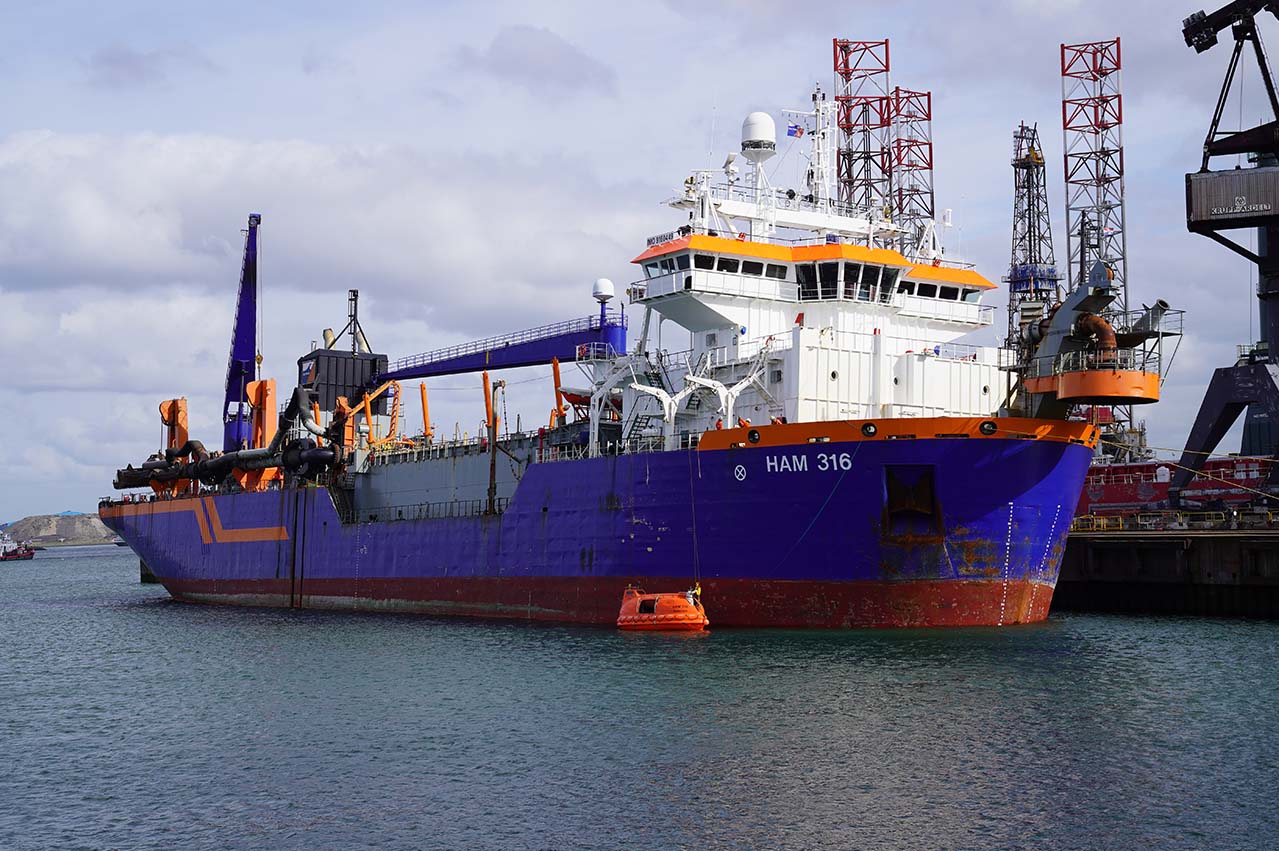
First pilot takes place during dredging project in Germany on trailing suction hopper dredger HAM 316.

Admin

Published

on

5d8451a14ad37 1568952737

Dutch maritime contracting company Van Oord and oil major Shell on Thursday (19 September) said they are testing the use of biofuel which reduces CO2 emissions by more than 40% compared with conventional marine fuel on Van Oord’s fleet.

The first pilot will take place during a dredging project in Germany on Van Oord's trailing suction hopper dredger HAM 316.

“We are very proud of this collaboration with Van Oord. Biofuels are one of the solutions for shipping that can be implemented in the short and medium term,” said Pepijn van den Heuvel, project leader at Shell.

“Biofuels can be blended with conventional fuels without the need for major technical modifications to the engines. Partners such as Van Oord have the technical expertise to monitor and supervise such pilots effectively.

The shipping industry is being faced by major sustainability challenges. By 2050, global shipping will have to emit an average of 50% less CO2 than in 2008.

In addition, Van Oord has signed the Green Deal with the aim of achieving a 70% reduction by 2050 compared with 2008.

The above are the reasons why Van Oord and Shell are working together to reduce emissions from vessels.

Both parties have signed an agreement to carry out a large-scale biofuel pilot. Following the pilot, the possibility of using biofuels on other vessels will also be examined.

“We invest in initiatives and partnerships that contribute to the sustainable implementation of our projects. Our aim is to achieve a significant reduction in emissions. This partnership with Shell is an important step in this process,” said Ronald Schinagl, Director Business Unit Netherlands at Van Oord.

Trailing suction hopper dredger HAM 316 will sail from Rotterdam to Cuxhaven and will be employed on the German project during the biofuel pilot.

A ‘second-generation’ biofuel made from waste products such as cooking oil will be trialled in the project. Moreover, it is ISCC certified, which means that the entire chain is certified by a third party.

Current calculations show that the biofuel is an effective and affordable method of reducing CO2 emissions. The test will indicate whether the fuel can be used in practice in existing vessels.

Local emissions of the vessel will be measured during the work and after completion the engine will be inspected.

“We are responsible for the safety and navigability of the Elbe river,” stated WSA Cuxhaven (Federal Waterways and Shipping Administration), the client of Van Oord.

“We appreciate Van Oord's goals in developing and delivering sustainable solutions for the dredging work to maintain the navigable depths on the Elbe. Therefore we are happy to facilitate this test.”

Photo credit: Van Oord
Published: 20 September, 2019


Continue Reading

LNG Bunkering

Shell expands LNG bunkering footprint in Spain with Valencia

As one of the region’s key maritime hubs, the company said Valencia expands the options available to shipowners seeking LNG supply along major shipping routes.
Admin

Published

on

By

Shell expands LNG bunkering footprint in Spain with Valencia

British oil giant Shell on Thursday (13 August) said Valencia has joined its growing network of bunkering locations, making LNG available as a marine fuel.

The successful completion of the first LNG bunkering operation in Valencia marked an important milestone for Spain and further strengthened Shell’s LNG supply capabilities across the Mediterranean. 

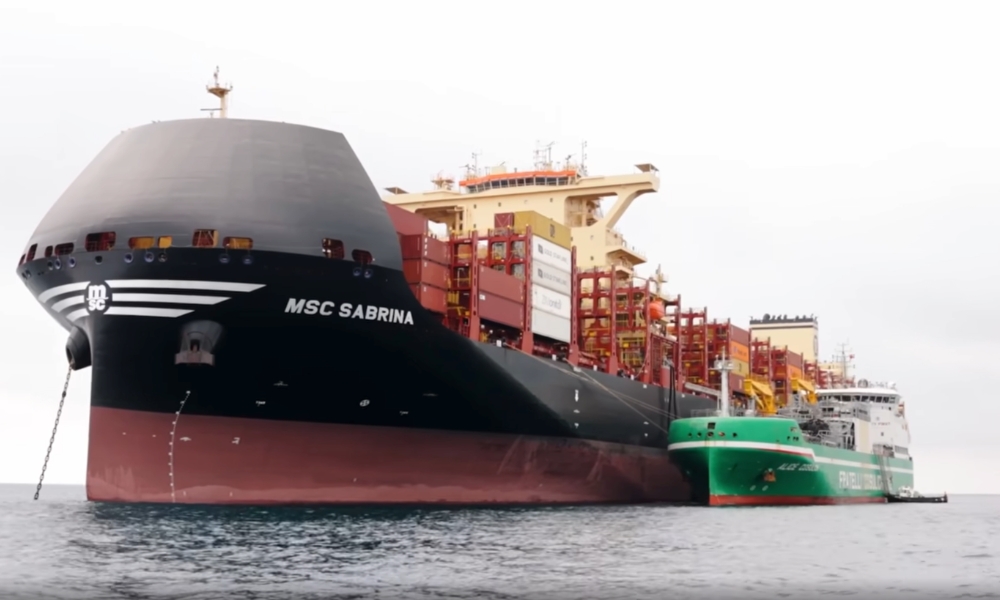
In a video shared by the company, bunkering vessel Alice Consulich was shown supplying an undisclosed volume of LNG to the container ship MSC Sabrina.

“As one of the region’s key maritime hubs, Valencia expands the options available to shipowners seeking LNG supply along major shipping routes,” Shell said in a social media post. 

Shell said the achievement reflected the strong collaboration across the maritime value chain, including MSC Mediterranean Shipping Company, the Port of Valencia and Fratelli Cosulich Group.

“We look forward to making more LNG bunker deliveries in Valencia and across the Mediterranean as LNG infrastructure and capabilities continue to expand,” the company said. 


Photo credit: Shell
Published: 14 August, 2026

Continue Reading

LNG Bunkering

Énestas and Power LNG join forces on Galveston bunkering

Énestas will provide capital, LNG transport and storage equipment, and downstream expertise to support Power LNG’s planned liquefaction and marine bunkering facility on Pelican Island.
Admin

Published

on

By

Stabilis Solutions enter 10-year LNG bunkering supply deal for Port of Galveston

Power LNG (Power LNG) and Mexico’s LNG infrastructure and downstream natural gas company Énestas on Wednesday (12 August) announced the execution of definitive agreements establishing a strategic partnership to accelerate the development of LNG infrastructure at the Port of Galveston.

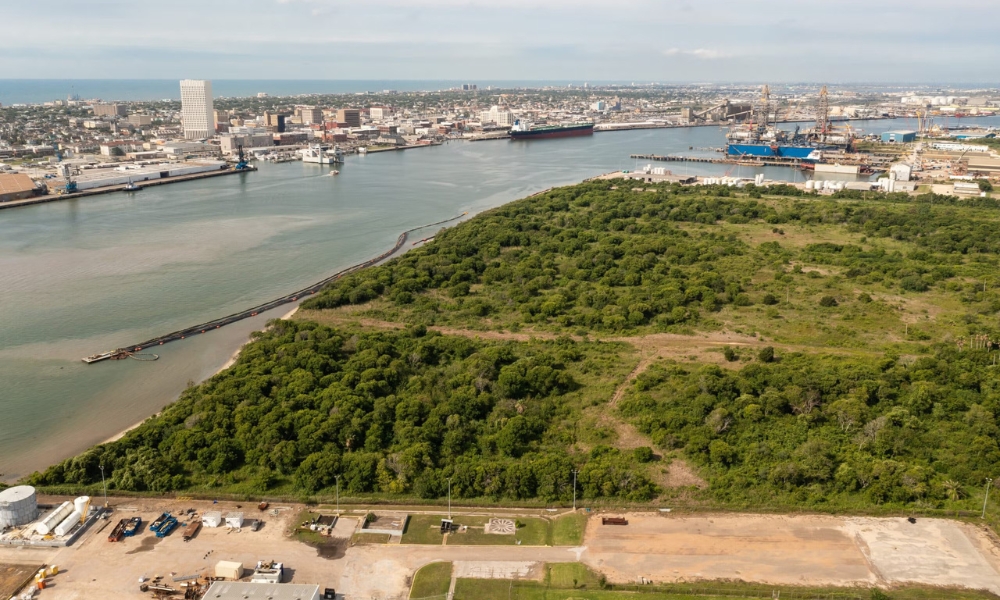
Under the agreement, Énestas will provide capital, LNG transportation and storage equipment, and downstream operating expertise to support the development of the Harborside Terminal and Project Seawolf, Power LNG’s planned LNG liquefaction and marine bunkering facility on Pelican Island.

The partnership creates an immediate pathway to begin LNG distribution by truck while Project Seawolf is under development, supporting marine fueling, virtual pipeline customers, industrial users, and LNG exports throughout the Gulf Coast, Latin America, and the Caribbean.

“Our vision has always been to establish Galveston as the premier LNG hub for the Gulf Coast,” said Austin Terry, Founder and CEO of Power LNG. 

“Énestas brings years of operational experience, proven LNG infrastructure, and a talented team that understands how to deliver LNG safely and efficiently. Together, we can immediately begin serving customers while laying the foundation for one of the most strategic LNG bunkering facilities in North America.”

Project Seawolf will provide LNG for marine bunkering, truck loading, virtual pipeline distribution, and international exports. The facility is strategically located at the Port of Galveston, serving one of the fastest-growing cruise, cargo, and energy corridors in the United States.

For Énestas, the transaction represented an important milestone in the company’s international growth strategy.

“This partnership represents a natural evolution for Énestas as we expand our downstream LNG business into the United States,” said Caio Zapata, Chief Executive Officer of Énestas. 

“For more than a decade, Énestas has developed and operated LNG infrastructure throughout Mexico, helping customers transition to cleaner, more reliable energy. Partnering with Power LNG allows us to leverage that experience in one of the most attractive LNG markets in North America. We see tremendous opportunities in marine bunkering, virtual pipeline logistics, industrial LNG supply, and exports to Latin America and the Caribbean, and we are excited to build that future together.”

The companies expect the partnership to support near-term LNG truck loading operations while advancing the long-term development of Project Seawolf, which is designed to become a regional hub for LNG production, marine fueling, and distribution.

The collaboration also establishes a platform to pursue additional downstream LNG opportunities throughout the Gulf Coast, utilising Énestas’ operational expertise together with Power LNG’s project development capabilities.


Photo credit: Port of Galveston
Published: 14 August, 2026

Continue Reading

LNG Bunkering

Stabilis delivers more than 150,000 cbm of LNG bunker fuel at Galveston

Company says the advancement of its proposed Stabilis Galveston LNG Facility is a natural progression of its established LNG bunkering footprint in Galveston.
Admin

Published

on

By

Stabilis delivers more than 150,000 cbm of LNG bunker fuel at Galveston

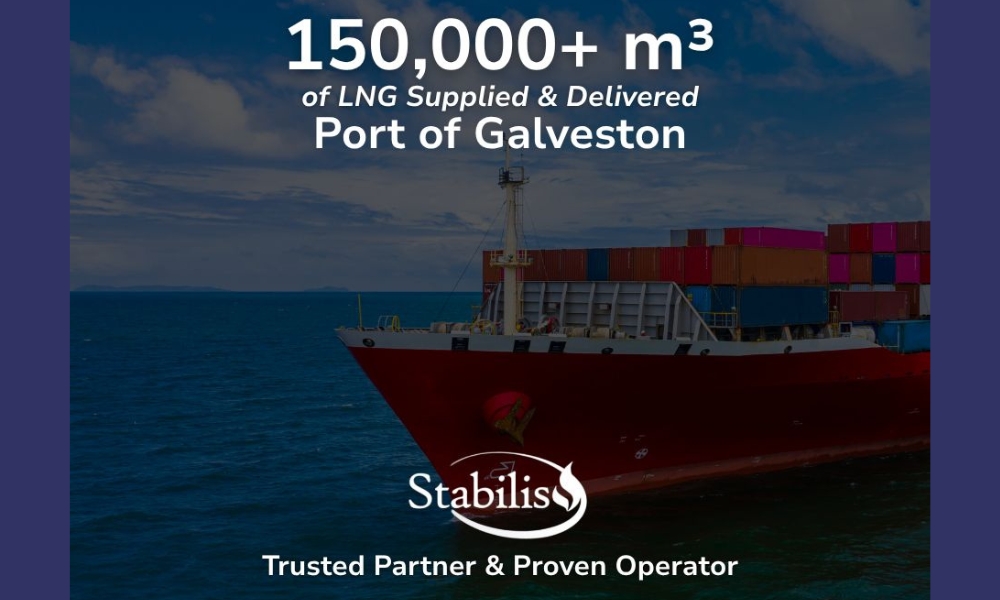
Clean energy production solutions provider Stabilis Solutions (Stabilis) on Thursday (13 August) said it has completed 97 LNG bunkering operations and delivered more than 150,000 m³ of LNG to customers in the Port of Galveston.

“As the only physical supplier of LNG on the Gulf Coast to reach this milestone, we’ve earned a reputation as a trusted, proven operator — both with local Galveston stakeholders and with the world’s largest cruise operator,” the company said in a social media post.

“That trust is reflected in the 10-year LNG offtake agreement we executed in December 2025.”

The company said the advancement of its proposed Stabilis Galveston LNG Facility is a natural progression of its established LNG bunkering footprint in Galveston. 

“As a Houston-based company, we believe in the Texas economy and the future growth of the Port of Galveston,” it added.

“That belief is why we’ve invested heavily over the past four years in the planning, permitting, and engineering design work to develop the most advanced, derisked, shovel-ready small-scale LNG liquefaction project on the Gulf Coast.”

Manifold Times previously reported Stabilis stating that the proposed Stabilis Galveston LNG Facility is anticipated to be in production by the third quarter of 2028.

It will come complete with the delivery of the first new-build, dedicated Jones Act-compliant LNG bunker barge in the Galveston/Houston area.

This comes following Stabilis receiving a Letter of Recommendation from the US Coast Guard following their formal review of the proposed Stabilis Galveston LNG Facility and associated waterfront LNG loading, marine transportation, and LNG bunkering operations in the Port of Galveston.

Related: Stabilis Solutions targets Q3 2028 launch for Galveston LNG bunkering facility
Related: Stabilis Solutions terminates 10-year LNG supply deal, expects delay in Galveston project


Photo credit: Stabilis Solutions
Published: 14 August, 2026

Continue Reading

Trending