Connect with us

Alternative Fuels

Corvus Energy signs DNV GL Manufacturing Survey Arrangement

Granted ability to witness Factory Acceptance Testing at its plant without the presence of a DNV GL surveyor.

Admin

Published

on

5d6617c9cb69e 1566971849

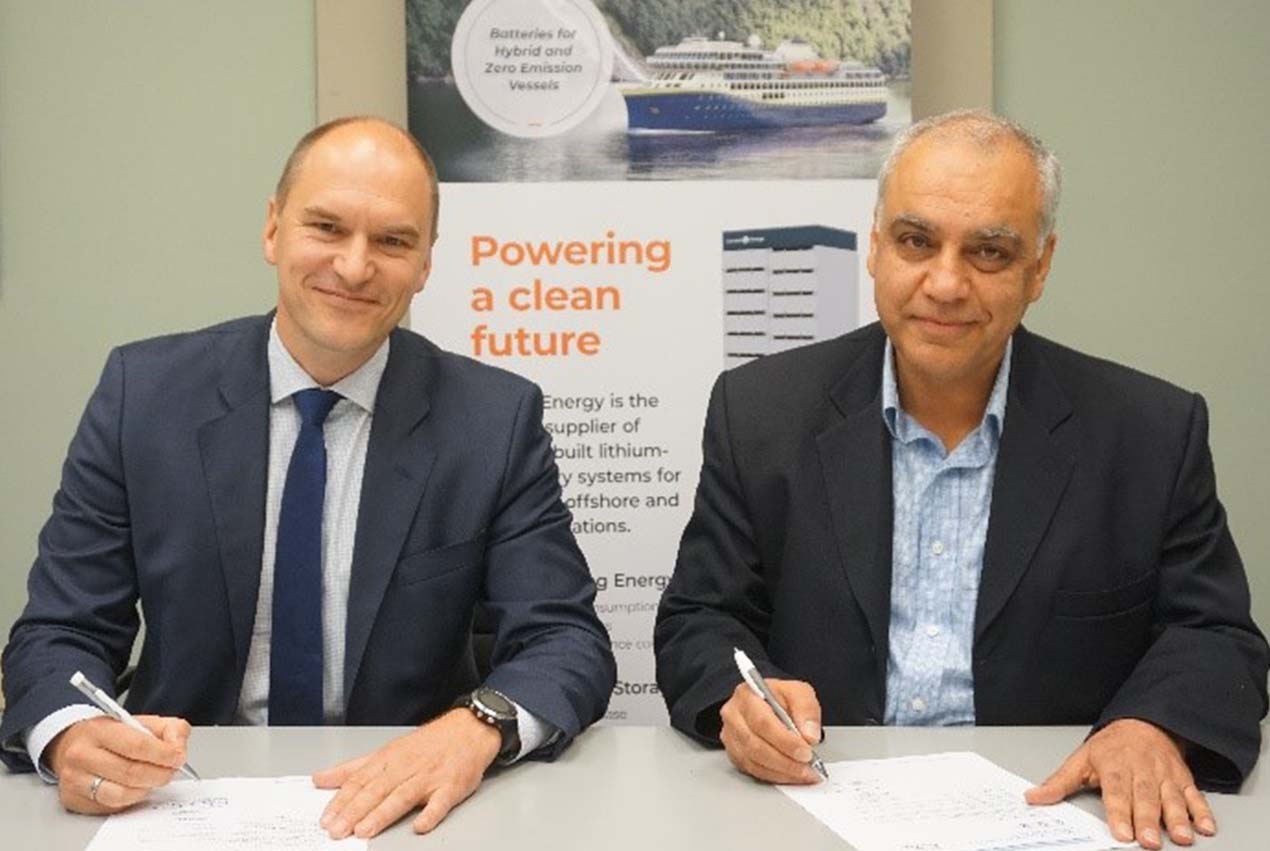
Corvus Energy a developer and supplier of advanced energy storage systems (ESS) for maritime, offshore, subsea and port applications, on Monday (26 August) said it has completed the DNV GL Manufacturer Product Quality Assessment (MPQA) and has signed a Manufacturing Survey Arrangement (MSA), resulting in streamlined quality control processes and faster customer deliveries.

Under the terms of the MSA, Corvus Energy has been granted the ability to witness the Factory Acceptance Testing (FAT) at its plant in Richmond, British Columbia, Canada, without the presence of a DNV GL surveyor.

“We are honored to be the first battery or energy storage system manufacturer in the world to be approved for MSA certification,” says Abbas Nouri Zenouz, QHSE Director at Corvus Energy.

“It’s a testament to the strict quality assurance methods we adhere to in our manufacturing operations, as well as the collaborative relationship developed between Corvus and DNV GL over the years rooted in our mutual goal of improving safety in marine battery applications.”

“It is fitting that Corvus Energy is the first battery supplier to achieve MPQA/MSA,” says Anders Mikkelsen, Director Business Development in the DNV GL Vancouver office.

“Corvus Energy was a pioneer in energy storage systems and the first supplier to achieve Type Approval for lithium-ion batteries back in 2013. They are still technological leaders, with single-cell thermal runaway isolation and numerous other innovations that have paved the way for safe, economical and high-performance marine electrification.”

DNV GL will conduct audits of Corvus test and control routines, procedures and equipment, as well as acceptance criteria for the energy storage products covered by the MSA to ensure continued high standards of quality.

Corvus Energy provides battery power to more hybrid or all-electric ferries than all other providers of energy storage systems combined.

The company’s Orca ESS solutions portfolio has unsurpassed experience from 200+ projects, totalling over 200 MWh and more than 2 million operating hours.

Related: Corvus Energy receives ‘major investment’ from Shell Ventures
Related: Corvus Energy introduces next generation ‘Corvus Blue Whale’ ESS
Related: Gulf of Mexico hybrid PSVs to use Corvus battery systems

Photo credit: Corvus Energy
Published: 28 August, 2019


Continue Reading

Alternative Fuels

Singapore-based Golden Island, Qingdao Port team up on alternative bunker fuels

Agreement covers green methanol, green ammonia and bio-LNG, with cooperation spanning fuel production and transportation through to storage, sales and bunkering.
Admin

Published

on

By

Golden Island, Qingdao Port team up on green methanol, ammonia and bio-LNG

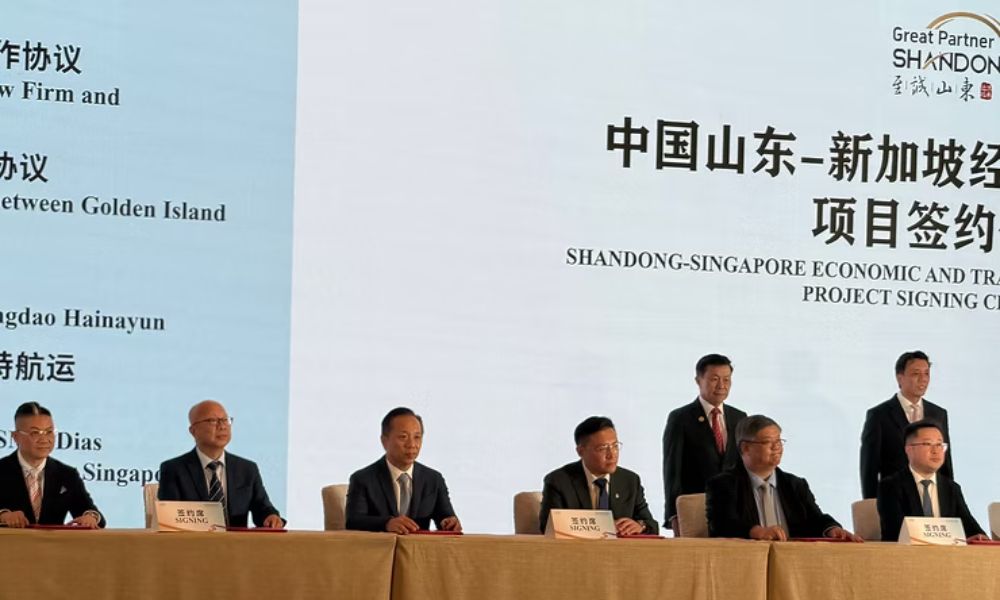
Singapore bunker supplier Golden Island Pte Ltd on Monday (21 September) said it has signed a strategic framework agreement with Qingdao Port International Co Ltd to collaborate on the supply of alternative marine fuels.

The agreement covers green methanol, green ammonia and bio-LNG, with cooperation spanning fuel production and transportation through to storage, sales and bunkering.

“By combining our MPA-licensed bunkering capabilities with Qingdao Port’s incredible logistics and strategic hub position, we are building something truly robust for the global shipping industry’s low-carbon future,” the company said in a statement. 

Qingdao Port International, which operates five major port areas in China, will bring its logistics network, storage facilities and customs clearance capabilities to the partnership.

Golden Island is licensed by the Maritime and Port Authority of Singapore (MPA) to conduct methanol bunkering and is ISCC EU-certified.

The companies are also engaging with container liners, bulk carriers, oil tankers and cruise ships regarding the adoption of alternative marine fuels.


Photo credit: Golden Island Pte Ltd
Published: 22 September, 2026

Continue Reading

Ammonia

HD HHI and HD KSOE secure ABS AiP for ammonia bunkering vessel design

ABS awarded approval in principle for the basic design of a 22,000 CBM bunkering vessel capable of supplying ammonia as marine fuel.
Admin

Published

on

By

HD HHI and HD KSOE secure ABS AiP for ammonia bunkering vessel

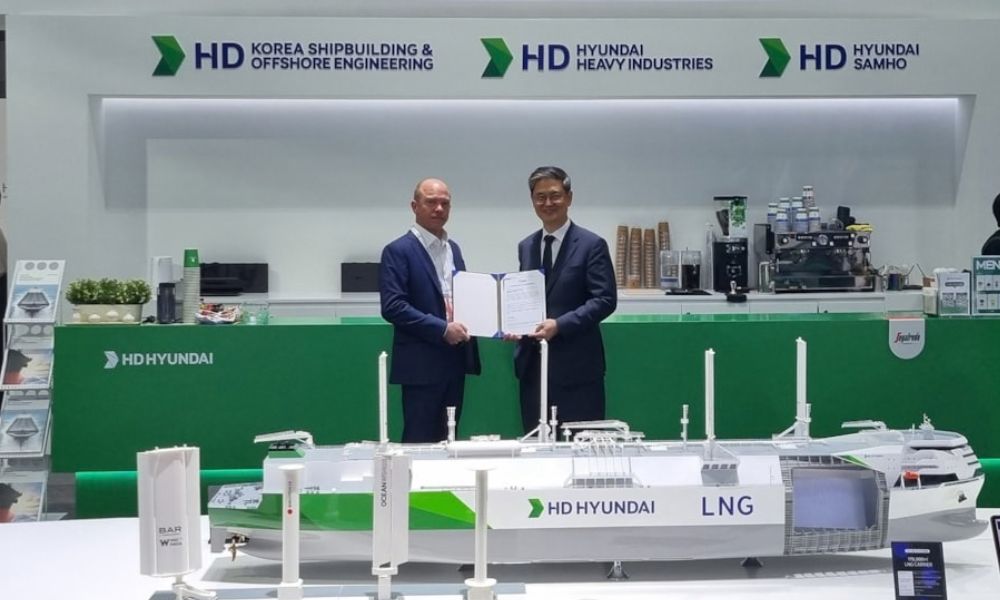
Classification society ABS on Monday (21 September) said it has awarded HD Hyundai Heavy Industries (HD HHI) and HD Korea Shipbuilding & Offshore Engineering (HD KSOE) approval in principle (AIP) for the basic design of a 22,000 CBM bunkering vessel capable of supplying ammonia as marine fuel.

The approval is the result of a joint development project initiated earlier this year. ABS reviewed the design’s general arrangement, machinery arrangement, ammonia cargo handling system and fuel supply system against applicable class and international requirements.

Gareth Burton, ABS Senior Vice President, Global Engineering, said: “Bunkering infrastructure is a critical step for any marine fuel to scale, and it has to be implemented with safety designed in from the start.

“This AIP reflects the industry’s need for fuel flexibility while advancing the safe bunkering of ammonia. ABS is proud to support HD HHI and HD KSOE as they develop technologies that expand fuel flexibility.”

Ryu Hong-Ryeul, Chief Technical Officer (CTO) of HD HHI, said: “As ammonia rapidly emerges as a viable low-carbon alternative fuel, demand for ammonia bunkering vessels is expected to grow in line with the increasing adoption of ammonia-fuelled ships. 

“This AIP marks a significant milestone toward the commercialisation of ammonia bunkering vessels.”

ABS and the HD Hyundai group have worked together across a range of technologies supporting ammonia as a marine fuel. Recent projects have included AIP for HD KSOE’s ammonia cargo handling and bunkering system and initial review for HD HHI’s machinery arrangement in engine room.


Photo credit: ABS
Published: 22 September, 2026

Continue Reading

Alternative Fuels

J-ENG completes land-based testing of hydrogen-fuelled marine engine

Engine will be installed on a 17,500 DWT multipurpose vessel to be built by Onomichi Dockyard for MOL and MOL Drybulk, with onboard demonstration testing scheduled to begin in April 2028.
Admin

Published

on

By

12 2

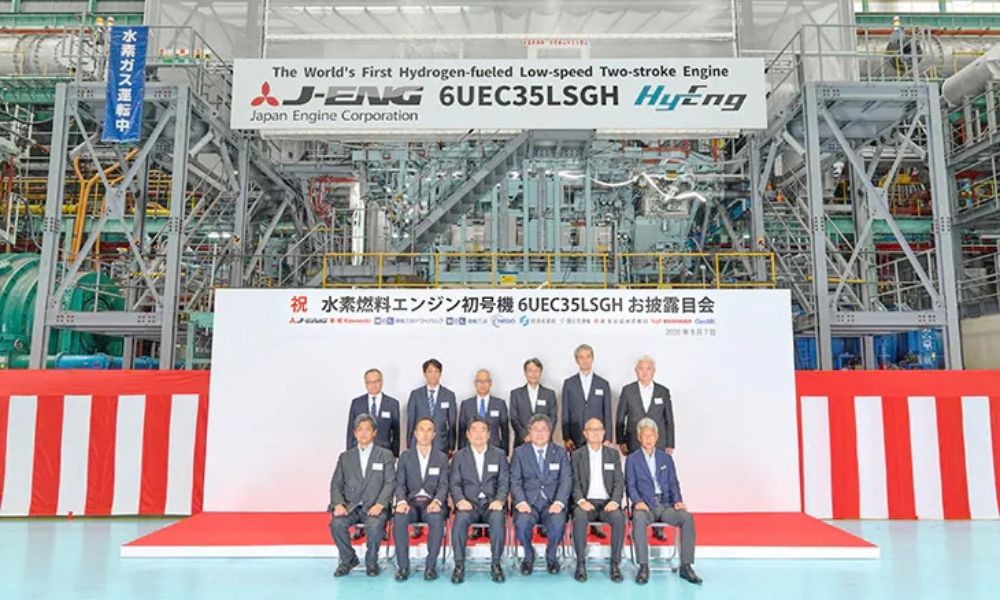
Japan Engine Corporation (J-ENG) on Friday (18 September) said it has completed land-based testing of the world’s first hydrogen-fuelled engine for large commercial vessels, the 6UEC35LSGH.

During factory testing, the engine achieved a hydrogen co-firing rate of at least 95%, reducing GHG emissions by more than 95% compared with conventional heavy-fuel-oil engines.

By adopting a high-pressure direct injection system, which injects fuel directly into the cylinder at high pressure, J-ENG said the engine achieves stable hydrogen combustion. 

Safety measures were also implemented, including a robust structure to prevent hydrogen leakage and double-walled piping for hydrogen supply lines. 

“Approval testing was conducted in the presence of ClassNK and was completed successfully,” the company said. 

The engine will be installed on a 17,500 DWT multipurpose vessel to be built by Onomichi Dockyard for Mitsui O.S.K. Lines and MOL Drybulk.

Hydrogen fuel will be supplied to the engine through a marine hydrogen fuel system, consisting of marine hydrogen fuel tanks and a fuel supply system, developed and manufactured by Kawasaki Heavy Industries.

In addition, Nippon Kaiji Kyokai (ClassNK) will conduct safety assessments throughout each stage of the engine’s development and the vessel’s design, construction and operation.

The vessel will then undergo sea trials before onboard demonstration testing begins in April 2028. 

Kawasaki will also develop and manufacture bunkering equipment for supplying liquefied hydrogen to vessels. 

“The demonstration will further evaluate the engine’s durability and performance under actual operating conditions,” J-ENG added.


Photo credit: J-ENG
Published: 22 September, 2026

Continue Reading

Trending