Connect with us
DNV Decarbonization Insight Series August 2026 - What maritime professionals should know about AI Training

Bunker Alerts

Low flashpoint found in Indonesia bunker fuels, alerts Maritec-Naias

Firm tested eight bunker samples representing LSMDO and B40 fuel grade from vessels that took fuel oil /bunkered in Indonesia ports, which indicated flashpoints as low as 39.5°C.

Admin

Published

on

RESIZED Shaah Shahidh on Unsplash

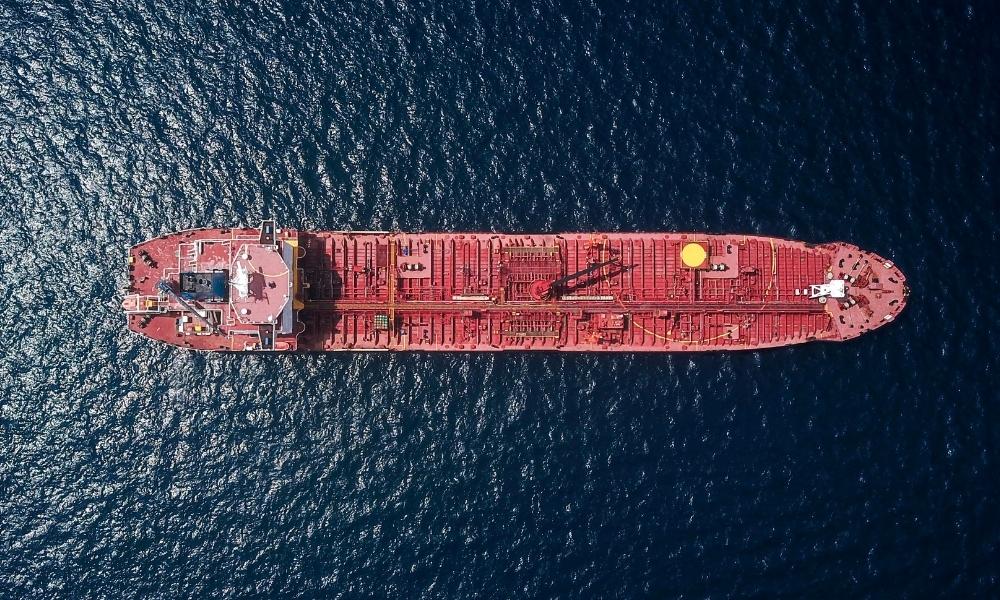
Bunker fuel testing and marine surveying business Maritec-Naias on Wednesday (12 August) issued an alert regarding bunker samples from vessels that took fuel oil/bunkered in Indonesia showing flashpoints as low as 39.5°C:

During the period of 21 July to 04 August 2026, Maritec-Naias tested eight bunker samples representing Low Sulfur Marine Distillate Oil (LSMDO) and B40 fuel grade from vessels that took fuel oil /bunkered in Indonesia ports, which indicated Flashpoints as low as 39.5°C.

All eight fuel samples tested were sourced from a single supplier.

Regulatory Implications:

Based on the results of the eight samples tested, the fuels do not comply with the minimum flashpoint requirement of 60 °C set by SOLAS and ISO 8217.

As per SOLAS requirements, the minimum flashpoint of any fuel carried in the tanks of a ship should be not less than 60 °C (with exception of fuel for lifeboats, which can be grade DMX with a flash point min of 43 °C).

ISO 4259 interpretation for tested flashpoint temperature is not taken into consideration here as the safety of onboard crew and vessel is of higher precedence.

Since 01 May 2024, it has been a MARPOL Annex VI requirement that the Bunker Delivery Note (BDN) includes either the actual flashpoint of a fuel as supplied or a declaration that its flashpoint has been determined as being at or above 70°C.

From 1 January 2026, SOLAS amendments clarified that the flashpoint requirement applies to fuels, which were specifically intended to have a flashpoint not less than 60°C as required under SOLAS II‑2/2.1.1 These amendments now align with MARPOL by requiring flashpoint details to be recorded on the BDN. Additionally, prior to bunkering, suppliers must provide the ship’s representative with a signed declaration confirming that the fuel meets the SOLAS flashpoint standard.

MARITEC-NAIAS RECOMMENDATIONS

When ordering fuels from Indonesia it is advised to insist on getting the actual flash point values from the supplier. If your vessel has bunkered a low flashpoint fuel it is prudent to observe/implement the precautions below:

  • Flame screens on tank vents should be maintained in good condition and there should be no sources of ignition in the vicinity of the vents. This will assist in safe natural ventilation of volatile components in the fuel.
  • No Smoking, no naked flame and no hot work must be allowed at any areas near to tank air vents.
  • Send additional tank(s) samples upon arrival in port to check the fuel properties and flash point results especially if there has been co-mingling of fuels in bunker tanks
  • If the vessel is out at sea, it may be possible to obtain dispensation from your Flag State Administration up to the next arrival port.
  • Put the supplier on notice promptly and notify your P&I club.


Photo credit: Shaah Shahidh on Unsplash
Published: 13 August, 2026

Continue Reading

Bunker Alerts

Maritec-Naias: High levels of Phenolic compounds in China bunker fuels

Firm tested multiple fuel oil bunker samples from vessels that took fuel/bunkered in China ports from 7 June to 28 July, which indicated the presence of high levels of Phenolic compounds.

Admin

Published

on

By

Louis Reed from Unsplash

Bunker fuel testing and marine surveying business Maritec-Naias on Friday (7 August) issued an alert regarding high levels of Phenolic compounds found after conducting testing on multiple fuel oil bunker samples from China ports:

During the period of 07 June to 28 July 2026 Maritec-Naias tested multiple fuel oil bunker samples from vessels that took fuel/bunkered in China ports, which indicated the presence of high levels Phenolic compounds.

Ten cases were found to have Phenolic compounds, and its derivatives, in the range of 5200 – 15750 PPM. Out of ten cases, the fuel samples tested were sourced as follows: four from Tianjin port, two from Qinhuangdao port, two from Rizhao port, one from Zhoushan port, and one from Shandong port.

The fuel samples containing Phenolic compounds in excess of 5000 PPM returned a marginally stable classification (P-value 1.00 to <1.30) under the SMS 1600 stability reserve test. Prolonged storage of these fuels carries the risk of reduced fuel stability and resulting operational issues. Operational issues like excessive sludge formation in purifiers, filter choking and fuel pump wear-and-tear have been observed and reported when similar levels of phenolic compounds were present in a vessel’s bunker fuel.

Phenolic compounds in the bunker fuel samples were precisely identified using Gas Chromatography-Mass Spectrometry (GC-MS) with both Direct Liquid Injection (DLI) and Solid Phase Extraction (SPE) methods, ensuring robust detection. The detected chemical compounds may have originated from the following sources:

1) liquid fuels derived from coal-tar
2) shale-derived oil

Regulatory Implications:

Due to the high levels of these chemical compounds the fuels render unacceptable under the section of general requirement in the standard ISO8217:2010 and MARPOL Annex VI regulation 18, irrespective of Table 2 compliance.

General requirements as per para 5 of ISO8217:2010 states below:

“5.2 The fuel shall be homogeneous blends of hydrocarbons derived from petroleum refining. This shall not preclude the incorporation of small amounts of additives intended to improve some aspects of fuel characteristics and performance. The fuels shall be free from inorganic acids and from used lubricating oils.

5.3 The fuel shall be free from any material that renders the fuel unacceptable for use in marine applications.

5.5 The fuel shall not contain any additive at the concentration used in the fuel, or any added substance or chemical waste that

  1. a) jeopardizes the safety of ships or adversely affects the performance of the machinery; or
  2. b) is harmful to personnel; or
  3. c) contributes overall to additional air pollution.”

MARITEC-NAIAS RECOMMENDATIONS

  • Closely observe the vessel fuel system/s for signs of filter clogging and purifier sludging and additionally, increase vigilance on the centrifuges to monitor overloading.
  • Increase frequency of their de-sludging cycle depending on the accumulated sludge.
  • Possibly reduce the mean time between bowl cleaning of the purifier and fuel system filters.
  • Avoid blending with other fuels, in particular marine diesel and gas oil and also other fuel oil as such mixing may well increase the sediment problem.


Photo credit: Louis Reed from Unsplash
Published: 12 August, 2026

Continue Reading

Bunker Fuel Quality

Bunker flash: High levels of chemical compounds found in Malaysia, alerts Maritec-Naias

During the period of 15 April to 15 July 2026, Maritec-Naias tested multiple fuel oil bunker samples from vessels that took fuel/bunkered in Malaysia ports.

Admin

Published

on

By

RESIZED Hans Reniers on Unsplash

Bunker fuel testing and marine surveying business Maritec-Naias on Monday (10 August) issued an alert regarding high levels of chemical compounds found in multiple fuel oil bunker samples from vessels that have taken fuel/bunkered in Malaysia ports:

During the period of 15 April to 15 July 2026, Maritec-Naias tested multiple fuel oil bunker samples from vessels that took fuel/bunkered in Malaysia ports, which indicated the presence of high levels chemical compounds.

Five cases were found to have Phenolic compounds and Alkylresorcinols in the range of 1070 – 9994 PPM and three cases were found to have reactive hydrocarbons in the range of 4500 – 20000 PPM. Operational issues like excessive sludge formation in purifier and wear-and-tear of the fuel pump were reported.

Gas Chromatography-Mass Spectrometry (GC-MS) testing using the Solid Phase Extraction (SPE) method confirmed the presence of Alkylresorcinols in samples tested. In addition, GC-MS ASTM D7845 analysis identified a range of phenolic compounds and reactive hydrocarbons – including styrene and its derivatives, dicyclopentadiene, dihydro-dicyclopentadiene, and indene – providing comprehensive evidence of contamination.

The presence of Alkylresorcinols may originate from non-petroleum cutter stocks, such as Estonian shale oil, while the detected reactive hydrocarbons could stem from ethylene cracker by-products. In addition, the fuels appear to have been blended with low-quality marine fuels, a practice likely driven by sharply rising bunker prices amid the war in the Middle East.

Regulatory Implications:

Due to the high levels of these chemical compounds the fuel does not meet the general requirement and is considered as off-spec fuel as per clause 5 of ISO8217 and MARPOL Annex VI regulation 18, which states:

“The fuels shall be homogeneous blends of hydrocarbons derived from petroleum refining. This shall not preclude the incorporation of small amounts of additives intended to improve some aspects of performance. The fuels shall be free from inorganic acids and from used lubricating oils. The fuel should not include any added substance or chemical waste which,

  1. a) jeopardizes the safety of ships or adversely affects the performance of the machinery; or
  2. b) is harmful to personnel; or
  3. c) contributes overall to additional air pollution.”

MARITEC-NAIAS RECOMMENDATIONS

  • Closely observe the vessel fuel system/s for signs of filter clogging and purifier sludging and additionally, increase vigilance on the centrifuges to monitor overloading.
  • Increase frequency of their de-sludging cycle depending on the accumulated sludge.
  • Possibly reduce the mean time between bowl cleaning of the purifier and fuel system filters.
  • Avoid blending with other fuels, in particular marine diesel and gas oil and also other fuel oil as such mixing may well increase the sediment problem.
  • Opt for Maritec-Naias’s highly cost-effective Marine Fuel Testing Programme (MFTP) PLUS testing for all residual bunker fuel. This package includes routine ISO 8217 Testing, targeted GC-MS screening for 38 high-risk compounds relevant to ship operations & P-value Stability Testing – providing crucial pre-burn protection against fouled purifiers, blocked injectors & engine failure.


Photo credit: Hans Reniers on Unsplash
Published: 11 August, 2026

Continue Reading

Bunker Fuel Quality

Bunker flash: High concentrations of catalytic fines, elevated acid numbers found in Singapore

Maritec-Naias issued an alert regarding high levels of catalytic fines and elevated acid numbers present in multiple VLSFO bunker samples from deliveries in the Singapore port.

Admin

Published

on

By

RESIZED Hans Reniers on Unsplash

Bunker fuel testing and marine surveying business Maritec-Naias on Friday (12 June) issued an alert regarding high levels of catalytic fines and elevated acid numbers present in multiple VLSFO bunker samples from deliveries in the Singapore port: 

During the period of 20 May 2026 and 02 June 2026, Maritec Pte. Ltd. (hereafter referred to as Maritec-Naias) conducted testing on five samples representing Very Low Sulphur Fuel Oil (VLSFO) deliveries from two suppliers in the Singapore port. The analyses revealed Aluminium and Silicon (Al+Si) concentrations ranging from 61 mg/kg to 68 mg/kg.

It is important to note; these values exceed the ISO 8217:2010/2017 specification limit of 60 ppm but remain within the permissible tolerance limit of 72 ppm under ISO 4259 for a single test result. In this regard, Catalytic Fines content, (Aluminium+Silicon), above 60 ppm is regarded as high. Of the five samples, three originated from one supplier, while the remaining two were from another.

Aluminium and Silicon constitute the principal classes of abrasive solids in fuels. Elevated concentrations of such particles at the engine inlet can precipitate abnormal wear and tear of fuel system components, piston rings, and cylinder liners. To safeguard against this, many engine manufacturers stipulate a maximum threshold of 15 mg/kg Al+Si at the engine inlet.

The primary method of mitigating Catfines is through an efficiently operating fuel purification system. Monitoring Aluminium and Silicon levels both before and after centrifugation provides a reliable measure of the system’s effectiveness in removing these contaminants.

During a similar period, Maritec-Naias also tested fifteen bunker fuel samples representing VLSFO that exhibited elevated Acid Numbers, ranging from 2.0 mg KOH/g to 2.5 mg KOH/g. While these values remain within specification limits, they are nonetheless considered at higher side. Elevated Acid Numbers may stem from contamination with acidic compounds such as Phenolic compounds and Alkyl Resorcinols, often associated with Estonian Shale Oil. Such contaminants can lead to operational complications including sludge formation, fuel pump seizures, and compromised injection equipment cleanliness.

Maritec-Naias Recommendations

  • High Catfines monitoring: Maritec-Naias advises collecting samples at critical points within the fuel system — including the fuel oil tank transfer pump, before and after centrifuge, service tank, and after fine-filter — to evaluate the efficiency of fuel cleaning.
  • Elevated Acid Numbers: For fuels with elevated Acid Numbers, Maritec-Naias recommends conducting Gas Chromatography-Mass Spectrometry (GC-MS) using the Solid Phase Extraction (SPE) method to identify the specific acidic compounds present or upgrading your marine fuel testing package to MFTP Plus, which enables pre-emptive monitoring to detect major harmful substances prevalent in the market, such as Cashew Nut Shell Liquid (CNSL), Phenolic compounds and Alkyl Resorcinols that cause damage to equipment.

Maritec-Naias states, while all data and findings presented in this document are true, it does not reflect on the overall quality of fuel being supplied in Singapore region. If you intend to bunker at this region, please request for a Certificate of Quality (CoQ) prior to loading.


Photo credit: Hans Reniers on Unsplash
Published: 15 June, 2026

Continue Reading

Trending