
Business
Innospec: Slow steaming offers economic and environmental rewards, but not without sacrifices
While slow steaming may help save fuel cost and lowers emissions, it may end up being a costly endeavour for ship owners. Innospec suggests looking at smart slow steaming instead, shares Nicea Ng.

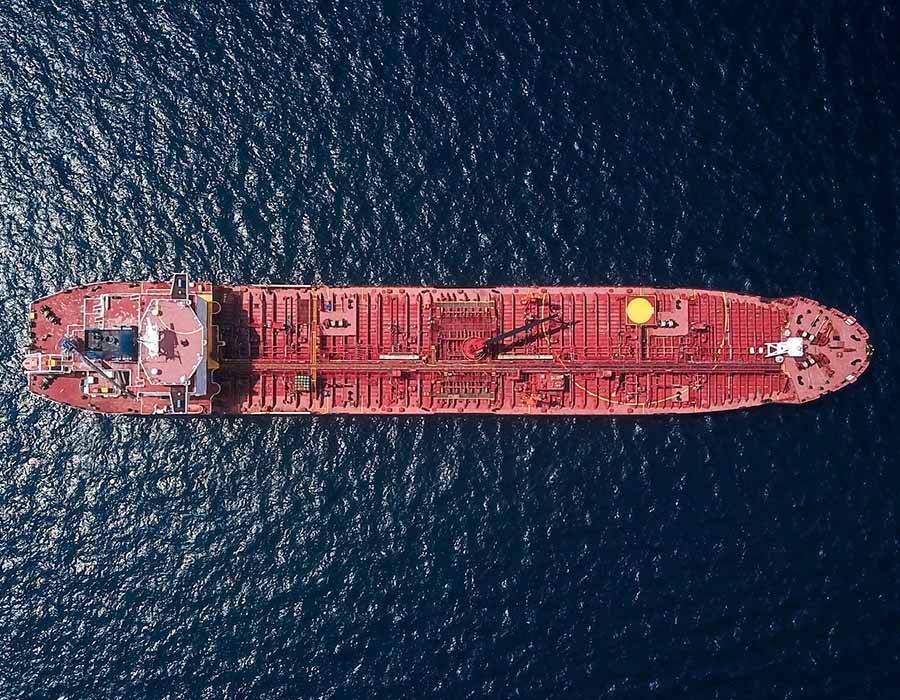
Slow steaming is often considered the easiest solution for overcoming both economic and environmental challenges.
However, doing so without risking the safety and long term efficiency of ships needs careful consideration by ship owners and operators, shares Nicea Ng, Marine Technical Specialist, Innospec Limited.
“Every vessel has an optimum engine load where the combustion is almost complete and the SFOC (Specific Fuel Oil Consumption) is at minimum level,” states Ng.
“When an engine is running on a low load condition, the cylinder pressure and temperatures are lower which leads to poorer ignition and incomplete combustion of bunker fuel.
“Though reducing speed offers a better CII rating; this may also lead to energy and combustion efficiency losses that cause preventable damage to vessel machinery.
“Vessels with high engine output will need costly retrofit solutions with high CAPEX in order to permanently work at lower loads.
“From experience, slow steaming usually results in a variety of negative effect on vessel engines.”
Adverse effects of slow steaming on ship engines
Poor Atomisation
Higher volume of fuel trapped at the injector tip (sac) delivering uncalculated fuel to the cylinder and increasing the likelihood of dripping. Increased fouling and carbon deposits all contribute to poor atomisation and subsequent drop in performance.
Poor Combustion Characteristics
At reduced ME load operation, inadequate turbo charger speeds are generated to provide adequate air to the combustion chamber, leading to lower combustion efficiency, unburnt fuel and the formation of harmful emissions.
Reduced Air Flow
Reduces engine efficiency and causes fouling in the air supply/scavenge system. Subsequently this can lead to very high differential and exhaust temperatures which can damage engine components and lead to burned exhaust valve as one example.
Cold Corrosion
Corrosive wear on the cylinder liners caused by acid condensation due to the drop in engine operation temperature caused by slow steaming operation.
Fouling Effect
On Turbocharger (turbine side),
- On Exhaust Gas Boiler (heat exchanger pipes)
- On Injector (clogged nozzles),
- On Piston rings (deposit accumulation – lack of sealing)
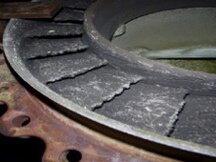 T/C Untreated fuel | 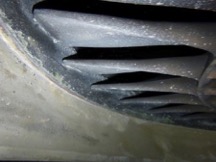 T/C treated fuel with Octamar |
‘Smart slow steaming’ with Octamar™ Ultra HF & Octamar™ Complete – fuel treatment systems with Class Verification
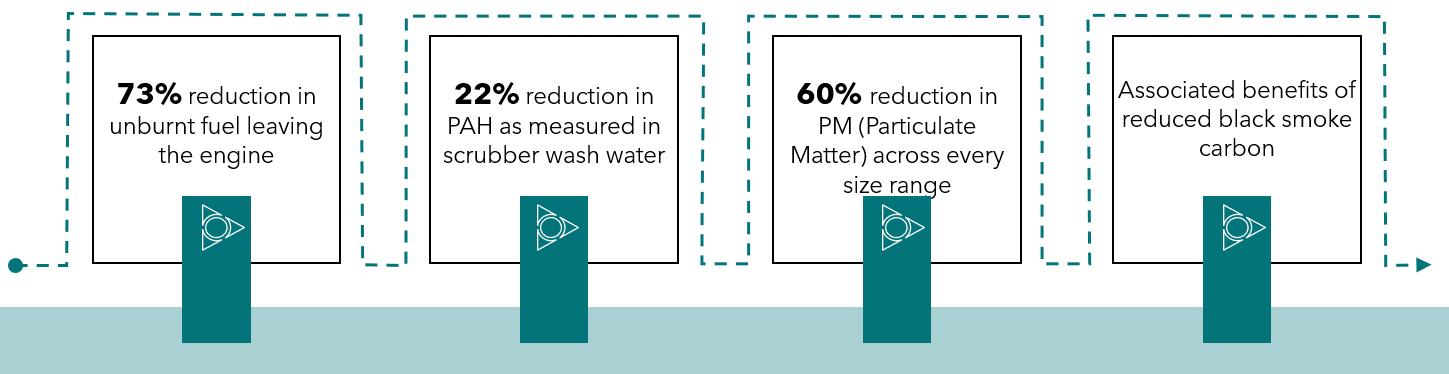
Combustion catalysts have a positive impact on the fuel’s combustion profile by providing a faster and more complete combustion of regular fuel at any load condition.
With a significant reduction in uncaptured fuel energy, vessels have seen 2.1-3.9% fuel savings which have contributed to better CII ratings.
“Even till today, issues with slow steaming have remained the same. However, with new regulations and changes in fuel quality over the years, Innospec continues to improve its technology to optimise today’s marine fuel,” informed Ng.
“Octamar™ Ultra HF & Octamar™ Complete allows vessels to slow steam with associated benefits by minimising the adverse effects listed above while improving fuel consumption and emissions.”
The unique treatment package improves energy efficiency of ships by reducing ignition delay, cleaning injectors, and reducing afterburn to mitigate all the issues associated with slow steaming while decreasing combustion properties and early max heat release to maintain energy efficiency.
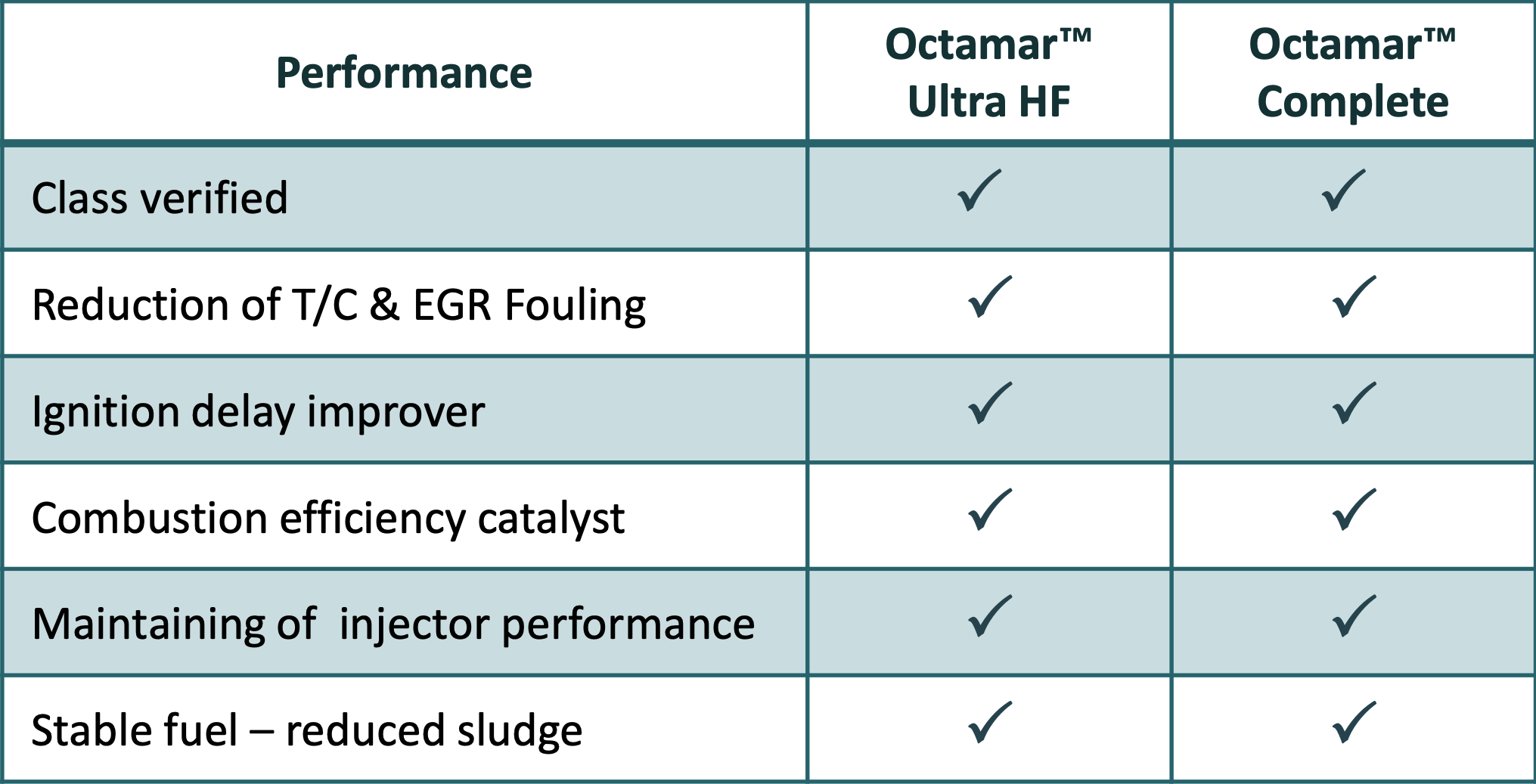
“ClassNK has also verified several trials conducted over a decade which demonstrated the active fuel consumption (2.1-3.9%) and emissions reduction of Octamar™ technology,” she highlights adding the Octamar ™ solution can be further included in vessels’ SEEMP III.

Note: Readers may contact Innospec Limited for more information on Octamar™ Ultra HF & Octamar™ Complete at: [email protected]
Related: Innospec Inc. retains Gold rating from EcoVadis for sustainability performance
Related: ClassNK verifies improved engine performance data of Innospec Octamar™ Combustion Catalyst Series
Related: Innospec Fuel Specialties technical bulletin: Considerations when heating VLSFO and Case Studies
Related: Innospec Fuel Specialties technical bulletin: Why are there no Cold Flow Improvers (CFI) for VLSFO?
Related: Innospec Octamar HF-10 Plus receives ClassNK certification for VLSFO stability performance
Related: Innospec highlights important overview on handling fuel instability issue of VLSFO|
Related: Innospec launches Octamar™ series of additives for new blends of IMO 2020 bunker fuels
Photo credit: Innospec/ Shaah Shahidh on Unsplash
Published: 29 May, 2023
Winding up
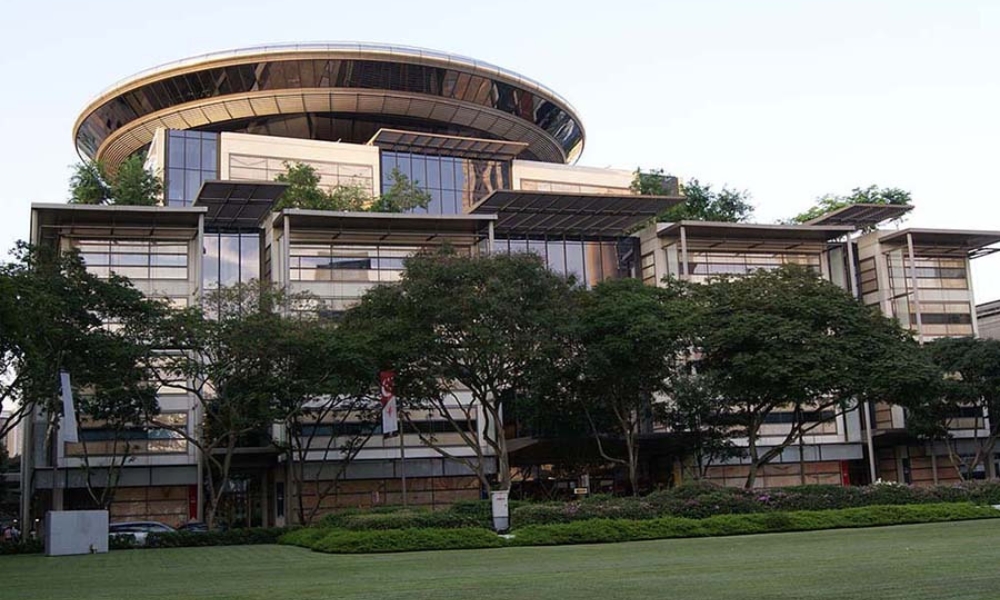
Singapore: High Court to hear Norvic Shipping Asia winding up application on 31 July
Application for the winding up of Norvic Shipping Asia Pte Ltd was filed by Netherlands-registered Mur Shipping BV on 8 April, according to Government Gazette notice.
Methanol
World Fuel and partners complete first green methanol bunkering of car carrier in Shanghai
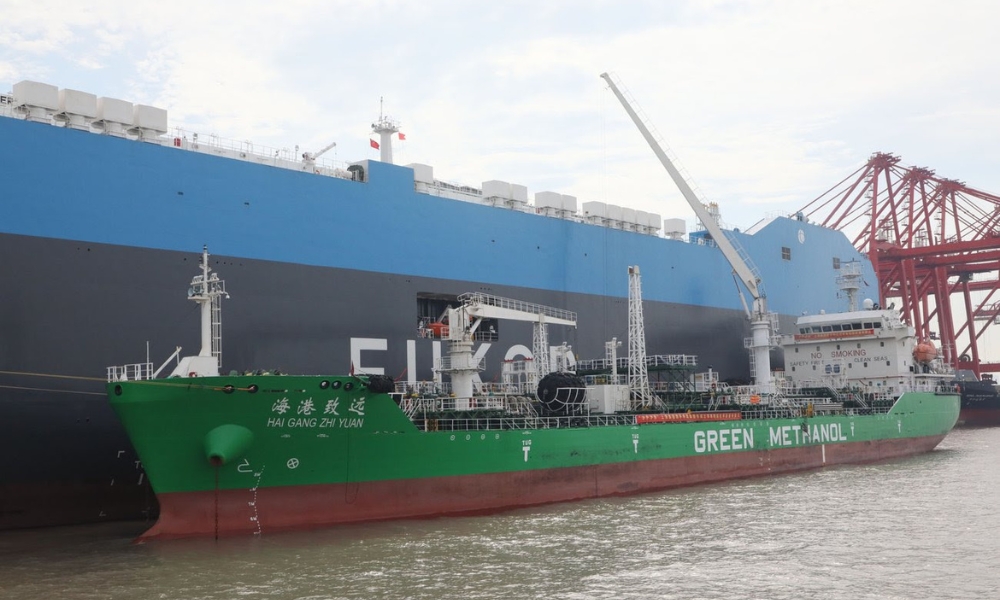
Operation involved the delivery of approximately 2,800 MT of green methanol to “Arctic Tern” via a ship-to-ship transfer using SIPG Energy’s dedicated methanol bunkering vessel “M/V Hai Gang Zhi Yuan”.
Ammonia
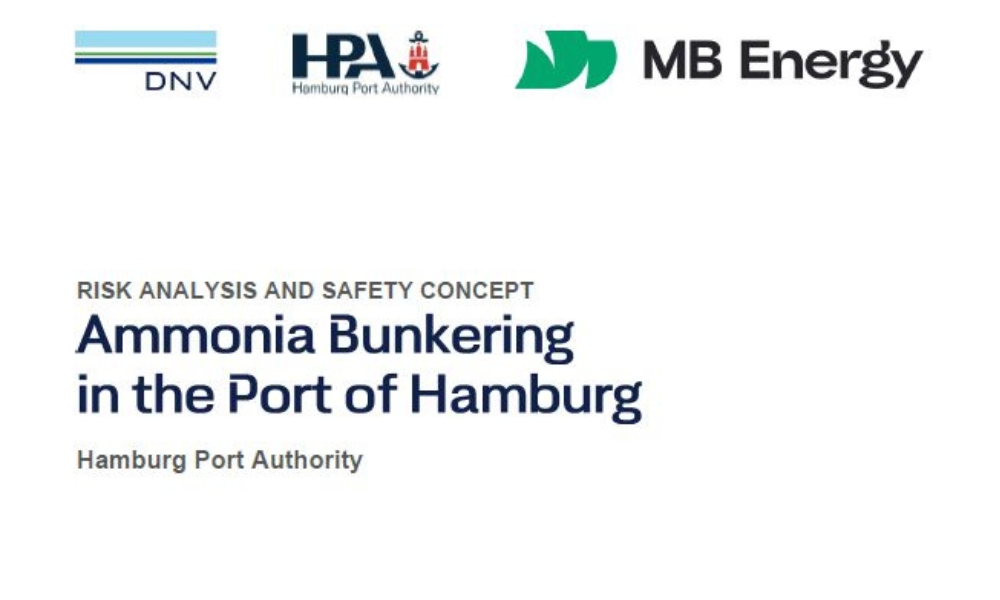
HPA and MB Energy develop safety concept for STS ammonia bunkering
HPA says the Port of Hamburg will become “bunker ready” for ammonia, laying the groundwork for safe and reliable ammonia bunkering in the future.

OUR INDUSTRY PARTNERS

Singapore: High Court to hear Norvic Shipping Asia winding up application on 31 July

World Fuel and partners complete first green methanol bunkering of car carrier in Shanghai

HPA and MB Energy develop safety concept for STS ammonia bunkering

GCMD: Project CAPTURED achieves two regulatory milestones for onboard captured CO2

Alkagesta highlights key insights of Malta bunkering market in 2026

ENGINE: East of Suez Fuel Availability Outlook (22 July 2026)

Singapore: Ofiniti, ONE trial direct platform integration to streamline bunker workflows

Malaysia: Maharani Freeport to implement MFM and e-BDN technologies for enhanced bunkering transparency

ENGINE: Europe and Africa Fuel Availability Outlook (8 July 2026)

Evergreen Marine director questioned, offices searched in Taiwan insider trading probe

Singapore retains world’s leading maritime centre ranking in 2026 ISCD Index

Singapore: MPA issues circular on resolutions adopted by IMO MEPC 84

Singapore: Bunker fuel sales up by 1.6% on year in June 2026

Malaysia: MMEA detains tugboat with undocumented 10,000 litres of diesel in Kuala Langat
-
 Technology1 week ago
Malaysia: Maharani Freeport to implement MFM and e-BDN technologies for enhanced bunkering transparency
-
 Bunker Fuel Availability2 weeks ago
ENGINE: Europe and Africa Fuel Availability Outlook (8 July 2026)
-
 Legal2 weeks ago
Evergreen Marine director questioned, offices searched in Taiwan insider trading probe
-
 Business2 weeks ago
Singapore retains world’s leading maritime centre ranking in 2026 ISCD Index
-
 Port & Regulatory1 week ago
Singapore: MPA issues circular on resolutions adopted by IMO MEPC 84
-
 Bunker Fuel1 week ago
Singapore: Bunker fuel sales up by 1.6% on year in June 2026
-
 Vessel Arrest1 week ago
Malaysia: MMEA detains tugboat with undocumented 10,000 litres of diesel in Kuala Langat
-
 Bunker Fuel1 week ago
ENGINE: East of Suez Fuel Availability Outlook (14 July 2026)