
Alternative Fuels
Researchers receives USD 5.97 million grant to investigate ammonia fuel for marine decarbonisation
MariNH3 project will investigate full decarbonisation of marine transport emissions through multidisciplinary research focused on ammonia fuelled engine concepts.

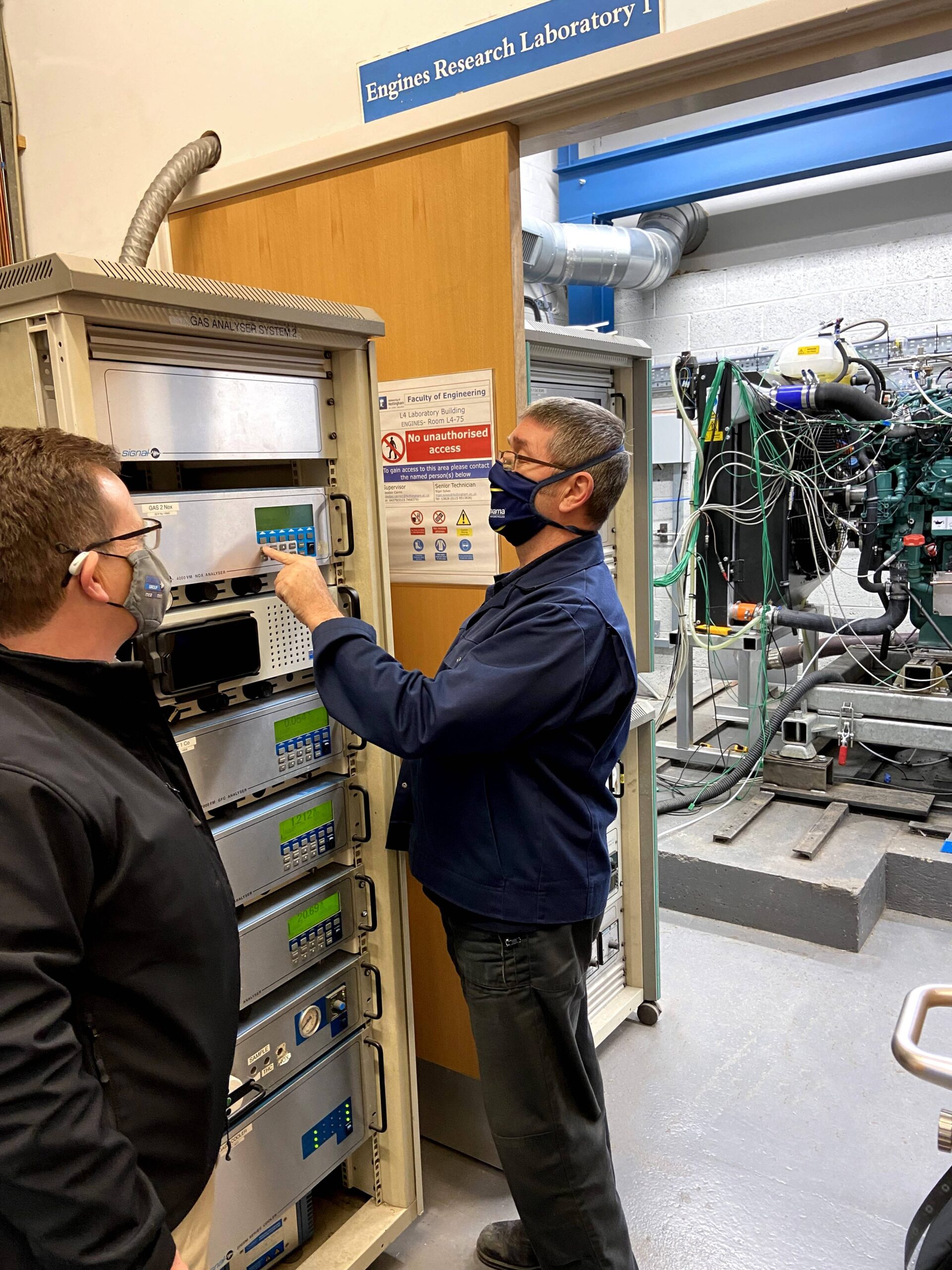
A group of academic and industrial partners have been awarded a GBP 5.5 million (USD 5.97 million) grant by the Engineering and Physical Sciences Research Council (EPSRC) to accelerate understanding, technologies and policies relating to the use of ammonia as a sustainable fuel, according to gas analyser manufacturer Signal Group Ltd on Monday (4 July).
The project began in June 2022 and will run for 5 years.
Entitled Decarbonised Clean Marine: Green Ammonia Thermal Propulsion (MariNH3), the project brings together academics from Nottingham, Birmingham, Brighton, Cardiff and STFC, as well as partners such as regulators, oil companies, engine manufacturers and other industrial organisations.
The lead investigator is Prof. Alasdair Cairns, who is Chair in Propulsion Systems in the Faculty of Engineering at the University of Nottingham, where the majority of the research is being undertaken.
Explaining the importance of this work, Prof. Cairns said: “As countries seek opportunities for decarbonisation, there is a great deal of interest in green ammonia as an energy vector and a fuel for commercial shipping. However, there are a number of considerations relating to the greenhouse gas emissions of international shipping. Roughly 80% of the emissions from the maritime sector are emitted by larger commercial vessels (i.e. Megawatt scale engines), where alternative solutions such as electric and fuel cell remain limited in energy density and/or cost. This challenge is compounded by the fact that the engines in these vessels typically remain in service for several decades.
“Ammonia represents an attractive solution, but significant challenges remain around slow combustion and the emissions of NOx, and it is these challenges we wish to address through research in fast burning and ultra-low NOx combustion systems.
“As a group, the MariNH3 consortium firmly believes that a mix of technologies will be required for the most effective decarbonisation of the marine sector because there is no ‘silver bullet’ fuel or technology to shortcut the path to Net Zero.
“Ammonia is set to play a key role, but there is current concern with the approach being adopted by some marine engine manufacturers, which involves ammonia dual fuelling, which is where some of the fuel oil (marine diesel) is replaced with ammonia as a retrofit solution. Typically, up to 40% diesel is still used in these engines, which will have consequences for local pollution, and limit the scope for decarbonisation.

“The vision of the EPSRC MariNH3 programme is therefore to investigate full decarbonisation of marine transport emissions through multidisciplinary research focused on highly promising disruptive ammonia fuelled engine concepts, which have the potential to allow full decarbonisation, whilst minimising pollution and end-use energy demand.
“Our goal is to develop the best technical solutions in parallel with appropriate acceptance criteria and policy, so that we can develop technologies and policies which are ‘right first time’ and appropriately scaled across the marine sector.
“The MariNH3 framework is based around a ‘technology agnostic’ approach to life cycle analysis to ensure that ammonia end-use is implemented appropriately. We wish to achieve this while developing the next generation of propulsion researchers, capable of adopting a technological and systems engineering approach to help steer and maintain the strong powertrain research community that we have in the UK.”
MariNH3 research
The project’s practical research is being conducted at the University of Nottingham’s Powertrain Research Centre in the Faculty of Engineering. This facility includes a broad range of resources for engine research, but the most relevant for this project are a new Volvo marine specification compression ignition (diesel) engine, a jet ignition engine and a comprehensive suite of Signal Group exhaust gas analysers.
Liquid ammonia is stored in a tank at the research centre and Research Fellow Dr Abdelrahman Hegab and Research Technician Nigel Sykes have installed a fuel supply line to the Volvo engine which draws vaporised ammonia from the tank. However, the combustion characteristics of ammonia differ greatly from conventional fuels, so the researchers are looking at ways to refine the technology whilst maximising the efficiency with which energy is utilised and minimising potentially harmful emissions.
Dr Hegab explains: “The burning velocity of ammonia is relatively low, so there is potential for unburned ammonia to pass through to the engine exhaust. For this reason, Signal Group has supplied us with their new S4 NEBULA, a continuous ammonia analyser which employs tunable diode laser spectrometry (TDLS). This analyser is deployed in conjunction with a comprehensive suite of Signal’s reference method analysers to ensure that we are able to gain a full understanding of engine emissions under differing research conditions.”

Photo credit: Signal Group
Published: 7 July, 2022
Decarbonisation
DNV: New research shows how regulation could reshape shipping
DNV summarizes findings of its latest Maritime Forecast to 2050, exploring how future scenarios could affect marine fuel demand, technology uptake, fleet investments, and competitiveness.
Classification society DNV on Thursday (24 September) released a new article summarizing findings of its latest Maritime Forecast to 2050, exploring how future scenarios could affect marine fuel demand, technology uptake, fleet investments, and competitiveness:
Shipping’s energy transition has entered a new phase. The technology options are increasingly well understood. LNG, methanol, biofuels, wind-assisted propulsion, and emerging ammonia solutions are no longer concepts but commercial realities. Yet despite this progress, shipowners face a more difficult challenge than ever: making investment decisions amid unprecedented regulatory uncertainty.
The 2026 edition of DNV’s Maritime Forecast to 2050 argues that uncertainty itself is now becoming one of the most important drivers of fleet strategy.
“Decisions taken today on vessel design, retrofits, and fuel capability will determine competitiveness for decades, while the outcome of ongoing regulatory negotiations could significantly reshape the economics of shipping’s energy transition,” says Øyvind Sekkesæter, Senior Consultant at DNV and lead author of this year’s report. “Maritime Forecast to 2050 aims to assist that decision-making with our latest core insights and case study examples.”
Four regulatory scenarios could shape shipping very differently
This year’s Maritime Forecast takes a scenario-based approach, presenting four possible regulatory futures for shipping. These range from the full adoption of IMO’s initially approved Net-Zero Framework (NZF) to its rejection and prolonged political gridlock, while also exploring several intermediate outcomes, including a delayed or revised NZF and scenarios where regional regulations play a more prominent role in driving decarbonization. Rather than predicting which outcome is most likely, the scenarios illustrate how different regulatory futures could affect fuel demand, energy-efficiency uptake, investment signals, and fleet competitiveness.
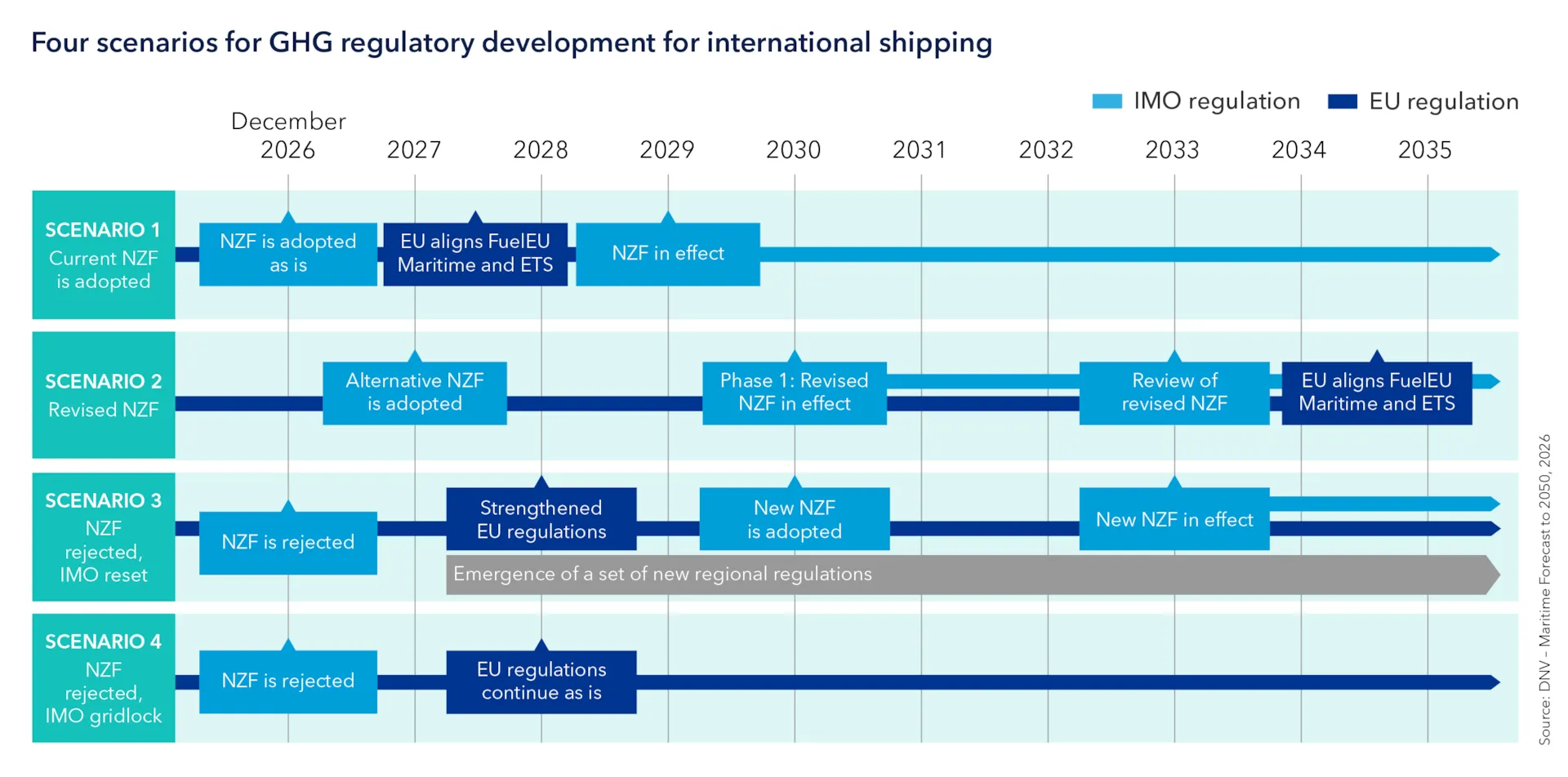
Stronger global regulation accelerates demand for low-GHG fuels and increases the attractiveness of energy-efficiency measures, while the absence of such regulation slows market development. The result is a transition whose pace may vary significantly depending on future policy decisions.
“For shipowners, this means the challenge is no longer identifying a single fuel pathway that fits the operational profile of their fleet. Instead, it is preparing fleets that remain competitive across multiple possible futures,” Sekkesæter concludes.
Tapping the fleet’s efficiency potential
Fully realizing the fleet’s energy-saving potential requires improvements not only to newbuilds but also to existing ships through retrofits.
Installing energy-saving devices during scheduled dry-docking can be a highly cost-effective decarbonization strategy, as illustrated by the Maritime Forecast’s case study of a hypothetical 15-year-old 5,000 TEU containership (built in 2013).
This envisages USD 2.35 million being invested to retrofit the ship with hydrodynamic enhancements including a bow retrofit, propeller upgrade, and a propeller boss cap fin.
The vessel can achieve estimated fuel savings of around 16% under the modelling assumptions. Evaluating the investment under three price scenarios for low sulphur heavy fuel oil (LSHFO) results in payback periods from 1.4 years to 4.2 years.
Note: The full Maritime Impact article by DNV can be found here.
Photo credit: DNV
Published: 25 September, 2026
Alternative Fuels
Höegh Autoliners orders six more ammonia, methanol-ready Aurora class PCTCs
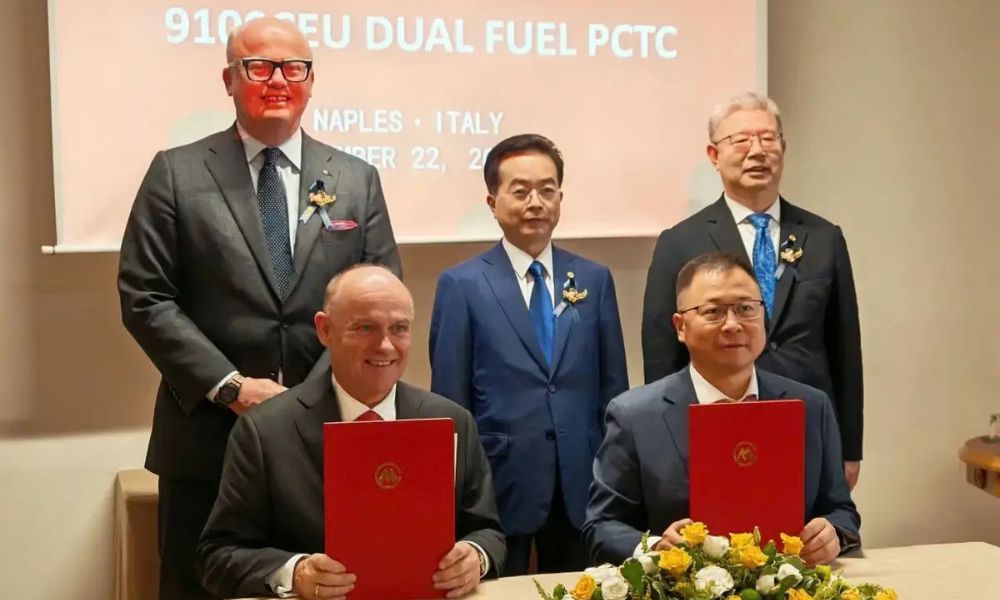
Höegh Autoliner inked a contract with China Merchants Group for six additional Aurora class PCTCs, which will be built by China Merchants Heavy Industry (Jiangsu) and delivered between 2029 and 2031.
Newbuilding
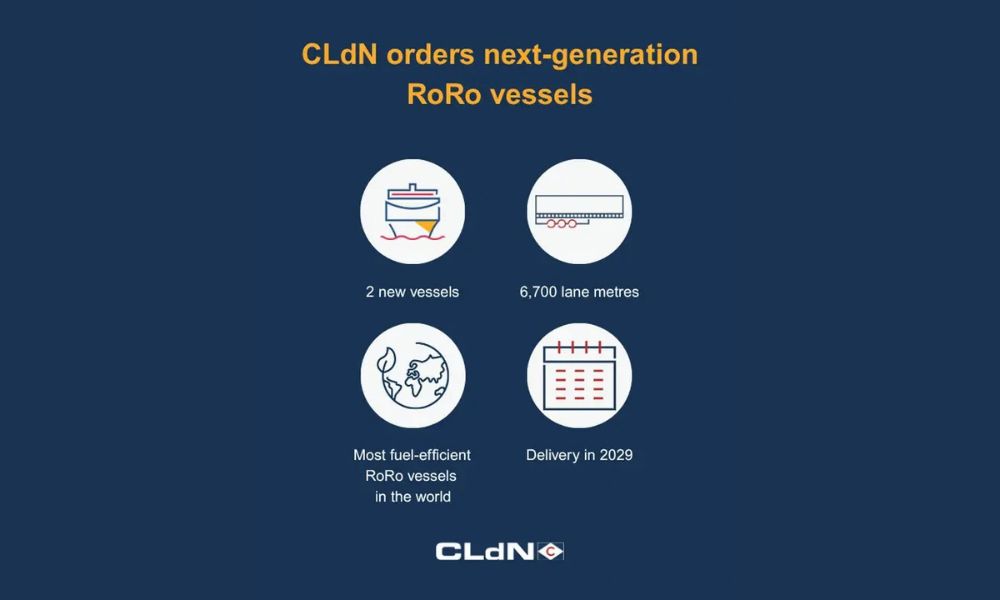
CLdN orders two LNG dual-fuel RoRo vessels from HD Hyundai Heavy Industries
New vessels will be built with space reserved for the future addition of larger electric shaft generators and batteries as the technology matures.

OUR INDUSTRY PARTNERS

Shell Singapore charged over Pulau Bukom oil leaks, reporting delays

MPA probes Singapore Strait collision involving fishing vessel, bulk carrier

TFG Marine deploys first MFM-equipped bunker barge in Jamaica

Seascale Energy names Gaetan Perret co-CEO as Olivier Josse prepares to retire

DNV: New research shows how regulation could reshape shipping

Stena Line orders two new hybrid ferries for Sweden – Denmark route

ENGINE: Americas Bunker Fuel Availability Outlook (24 Sep 2026)

Singapore: Marine fuel testing firm CCIC Singapore faces winding up application

High Court of Singapore issues winding up order against Hengli Petrochemical International

APPEC 2026: Digitalisation in bunkering not merely a ‘paper-to-screen’ swap, states panellists

APPEC 2026: Panellists navigate maritime decarbonisation and alternative marine fuel strategies

LDA’s methanol-powered “Spirit of Toulouse” gets Norsepower rotor sail in Shanghai

Goldwind green methanol facility completes trial production, ships first 500 mt

Singapore: Bunker fuel sales down by 4% on year in August 2026
-
 Winding up2 weeks ago
Singapore: Marine fuel testing firm CCIC Singapore faces winding up application
-
 Winding up2 weeks ago
High Court of Singapore issues winding up order against Hengli Petrochemical International
-
 Technology2 weeks ago
APPEC 2026: Digitalisation in bunkering not merely a ‘paper-to-screen’ swap, states panellists
-
 Alternative Fuels2 weeks ago
APPEC 2026: Panellists navigate maritime decarbonisation and alternative marine fuel strategies
-
 Wind-assisted2 weeks ago
LDA’s methanol-powered “Spirit of Toulouse” gets Norsepower rotor sail in Shanghai
-
 Methanol2 weeks ago
Goldwind green methanol facility completes trial production, ships first 500 mt
-
 Alternative Fuels2 weeks ago
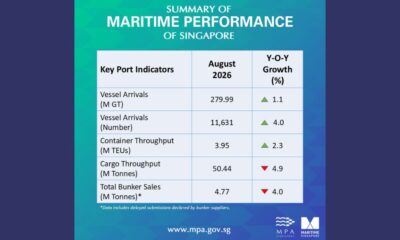
Singapore: Bunker fuel sales down by 4% on year in August 2026
-
 Bunker Fuel2 weeks ago
APPEC 2026: Equatorial and Kuwait Petroleum Corporation discuss Middle East bunker market dynamics