Connect with us

Business

INTERVIEW: Bunkering sector undergoing through exciting technological transformation, observes Teekay Tankers

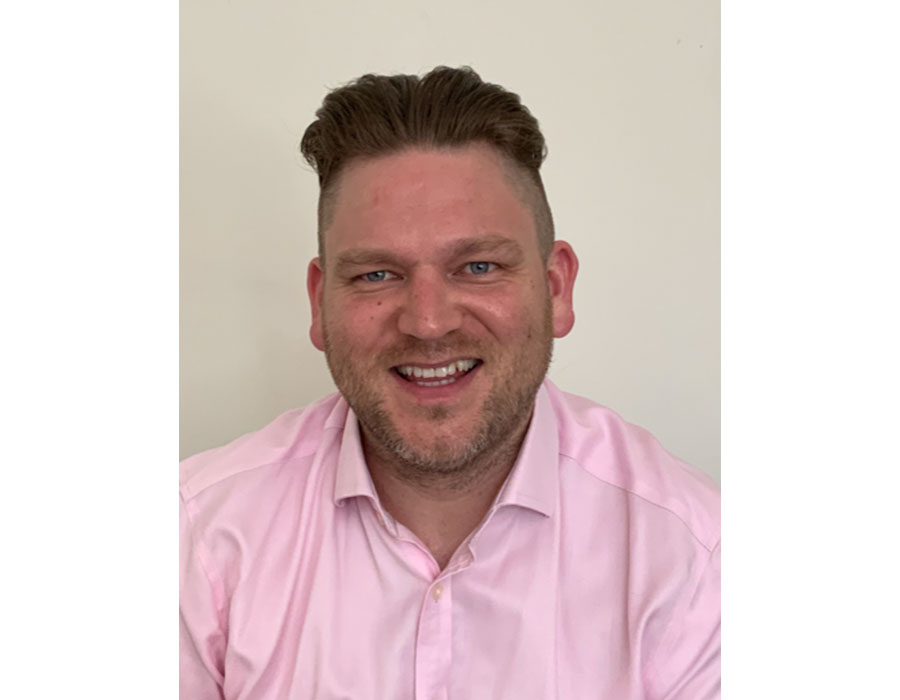
Mads Bjornebye, Manager of Bunker Services at Teekay Tankers Ltd, shares about the company’s perspective of e-BDNs, bunker purchasing & planning tools, while offering his thoughts on future marine fuels.

Admin

Published

on

Mads MT

The following interview arranged by Conference Connection is part of pre-event coverage for the upcoming 12th International Fujairah Bunkering & Fuel Oil Forum (FUJCON 2021), where Manifold Times is an official media partner. Readers can register for the virtual event by clicking on the link here

The bunkering industry is currently undergoing through an exciting transformation due to the introduction of new technologies, believes the Manager of Bunker Services at Teekay Tankers Ltd, UK.

Teekay, the largest operator of mid-sized tankers including suezmax, aframax, and long range two (LR2) vessels, is currently looking at various technologies to optimise its marine refuelling operations, shares Mads Bjornebye.

“The biggest one is E-BDN’s. We would like to see this rolled out by suppliers as soon as possible. E-BDN’s will enable a much quicker invoicing process, no longer waiting weeks for invoices and suppliers will also benefit as invoicing can be automated,” he told Singapore bunkering publication Manifold Times.

“Delivered quantities can also be automatically updated in the vessel management software systems of owners with very little, if any, manual intervention.

“E-BDN’s are something that only suppliers can implement, but Teekay as an owner welcomes any technology that helps the whole bunkering process, so it is an exciting future for the industry.”

Bjornebye, meanwhile, notes technology has already helped in the bunker enquiry process.

Platforms, such as ClearLynx, have made it much easier for owners to get their bunker inquiries out to the market; it also lets bunker buyers cover the whole market as well as be informed about new suppliers, he adds.

“It is great to see so many different companies trying out different technologies in this space. There are bunker planning tools, tools to monitor the oil markets and place stems at the right time etc,” says Bjornebye.

“Having tools that enable you to see prices, avails etc are the next step and it is coming sooner rather than later, indeed some of these tools are already available from the different bunker management software offerings.

“Some suppliers even have platforms where you can see which barge is assigned to your bunker stem, where it is and when you can expect the barge alongside. This is a great development as it means buyers are kept informed during the whole process. This allows us to keep an eye on the delivery and contact the supplier if we see delays etc happening.

“The more we as owners know about the bunker delivery, the more we can plan our voyage and make sure we are on time, the better it is for our customers as well as us. Technology can also help suppliers check where vessels have called and check for any possible sanction violations which is great for suppliers.”

Though it seems technology is great for bunkering, Bjornebye was quick to point out a major hurdle it currently faces.

“The biggest challenge is the fear of change I would say. Bunkering, and shipping to an extent, is a conservative industry and change can sometimes be slow. There is good reason for this of course as costs of change can be high, whilst shipping markets are also volatile,” he explains.

“The bunkering industry is also still operating in much the same way it has been for many years. For example, we still have paper BDN’s in the 21st century. That to me is surprising as well as frustrating. We have been looking at E-BDN’s more and more over the last year, and would really like to see this technology implemented across the industry.

“We have also seen Singapore lead the way with the introduction of MFM’s, yet the rest of the world has been slow to change. Singapore is also looking at digitising the bunker industry so once again leading the way for our industry, hopefully other ports will follow their lead.

“Change and innovation is vitally important, the biggest barrier to change is the thinking that we don’t need to change and innovate. The technology is there; we just have to want to change for the better.”

Moving forward, Bjornebye notes the next big step forward will be the types of bunker fuels chosen by the maritime and shipping sector as part of IMO 2030 and IMO 2050.

“Teekay has been following the developments in the future fuels arena with great interest, it really is one of the most important challenges facing all ship owners at present. How will we fuel our vessels over the next 30 years and beyond?” He asks.

“The challenge is really made up of two parts; how do we manage our emissions in the short and medium term, and what fuel or fuels will be the zero carbon fuel of choice for our industry in the long term?

“If we look at the next decade, LNG is clearly the front runner as no other alternative fuel has the infrastructure or supply in place to be a viable option at present.

“Other fuels, such as ammonia, methanol etc are not in the same position, and most likely will not be a viable option until much later this decade or perhaps not until 2030 and beyond.

“This means that for owners who would like to order new vessels over the next few years, have to consider their options carefully.”

Bjornebye explains a conventionally fuelled vessel ordered today may undergo a massive depreciation after 15 years; unlike a newbuilding which has the capability to burn an alternative fuel. Other factors include CAPEX and OPEX costs which need to be competitive in order for shipowners to jump on the alternative marine fuels bandwagon.

“LNG will have a place as a bridging fuel between now and when the zero carbon fuels are ready both in terms of supply, as well as infrastructure for our vessels to be able to tramp around the globe with adequate access to these fuels in the right locations,” he notes.

“For Teekay, we haven’t made any firm decision just yet as to how this [fuel choices for newbuilds] will be implemented.

“However, we are looking at several options so that when we do come to renew our fleet we are well versed in the pro’s and con’s of the various options. We have to consider how we trade our vessels and what is available at the time as well as the cost of course.”

Note: Mads Bjornebye will be speaking at Session 1: Shipping Outlook Post 2020/Cpovid-19; Opportunities & Challenges at FUJCON 2021.


Published: 23 March, 2021

Continue Reading

Environment

Indonesia to expedite removal of sunken Malaysia-flagged tanker “Silver Sincere”

Vessel sank while carrying about 1,000 mt of waste oil on 12 January 2025; the wreck was discovered in March 2025 and was found to have drifted about 13 nautical miles from its original sinking site.

Admin

Published

on

By

Indonesia to expedite removal of sunken Malaysia-flagged tanker “Silver Sincere”

Indonesia’s Coordinating Ministry for Political and Security Affairs on Tuesday (14 July) held a cross-agency coordination meeting to expedite efforts in handling the Malaysian-flagged tanker Silver Sincere that sank off Bintan Regency, Riau Islands.

The vessel sank while carrying about 1,000 metric tonnes (mt) of waste oil on 12 January 2025. 

According to authorities, the ship sank within Indonesian waters. After several surveys, the wreck was finally discovered in March 2025 and it was found to have shifted approximately 13 nautical miles from the initial sinking location.

The meeting was aimed to align cross-ministerial and institutional measures to expedite the handling of the Silver Sincere wreck while minimising risks to shipping safety, the marine environment, and national interests.

Deputy for Coordination of State Defense and National Unity Purwito Hadi Wardhono emphasised that the handling of the impact of the Silver Sincere sinking was the first case to be comprehensively coordinated, serving as a model for handling foreign vessels sinking within Indonesian jurisdiction.

Through this cross-sectoral coordination, the government will establish a clear and measurable framework that can serve as a reference for resolving similar cases in the future, while minimising state losses due to environmental pollution, damage to underwater ecosystems and infrastructure, and disruption to shipping lanes.

“The most important thing is to immediately stop and prevent the negative impacts of this ship sinking,” Purwito said.

“Therefore, a coordinating role is crucial, as maritime security governance involves various ministries and institutions with varying authorities, allowing for faster, more integrated, and more effective response,” he said. 

He added that the Silver Sincere was a Malaysian-flagged vessel that sank within Indonesian jurisdiction, and therefore, all handling processes must comply with the provisions of Indonesian laws and regulations.

In the meeting, Prof. Eko Ganis Sukoharsono, representing the SAE Energy Consulting Team, presented the results of an analysis based on 14 observation periods using Sentinel-1 Synthetic Aperture Radar (SAR) satellite imagery. 

The analysis results showed strong indications of a waste oil spill that has resulted in marine pollution, damage to the seabed due to shifting shipwrecks, disruption of coastal ecosystems and fishing grounds, and potentially threatening the livelihoods of fishing communities around the Riau Islands. 

Purwito added these findings further emphasise the importance of accelerating the removal of the shipwrecks to prevent widespread environmental impacts, maintain shipping safety, and avoid the potential for greater state losses.

The meeting brought together representatives of related ministries and institutions including the Ministry of Foreign Affairs, Ministry of Defense, Ministry of Transportation, Ministry of Maritime Affairs and Fisheries, Ministry of Environment, Attorney General’s Office.  

Related: MPA: Malaysia-registered tanker “Silver Sincere” sinks off Pedra Branca


Photo credit: MarineTraffic / Julian T
Published: 20 July, 2026

Continue Reading

LNG Bunkering

Singapore: FueLNG achieves 800th LNG bunkering operation milestone

Bunker tanker “FUELNG Venosa” delivered LNG marine fuel to bulk carrier “MV Ubuntu Humanity” at Eastern Bunkering A Anchorage (AEBA) on 11 July.

Admin

Published

on

By

Singapore: FueLNG completes 800th LNG bunkering operation

Singapore’s licensed LNG bunker supplier FueLNG on Friday (17 July) announced the successful completion of its 800th LNG bunkering operation in the republic.

The company said bunker tanker FUELNG Venosa delivered LNG marine fuel to bulk carrier MV Ubuntu Humanity at Eastern Bunkering A Anchorage (AEBA) on 11 July. 

“This achievement is more than just a number,” FueLNG said.

“It reflects the trust our customers place in us, the dedication of our operations team, the professionalism of our marine partners, and our unwavering commitment to safe, efficient, and reliable bunker deliveries.” 

Manifold Times previously reported FueLNG completing its 500th LNG ship-to-ship (STS) bunkering operation.

Related: Singapore: FueLNG achieves milestone of 500th STS LNG bunkering operation


Photo credit: FueLNG
Published: 20 July, 2026

Continue Reading

Methanol

Western Baltic Engineering unveils green methanol bunkering vessel design for Klaipėda

Designed for flexible operations in shallow waters and local bunkering routes, the concept features an 800-metric-tonne green methanol capacity and the potential to supply up to 250,000 mt annually.

Admin

Published

on

By

Western Baltic Engineering unveils green methanol bunkering vessel design for Klaipėda

Ship design and engineering service provider Western Baltic Engineering on Thursday (16 July) showcased its latest concept design for a green methanol bunkering vessel, developed for the operational needs of the Port of Klaipėda.

Designed for flexible operations in shallow waters and local bunkering routes, the concept features an 800-metric-tonne green methanol capacity and the potential to supply up to 250,000 metric tonnes (mt) annually. 

“It is Western Baltic Engineering’s first concept dedicated exclusively to green methanol bunkering, expanding our portfolio of alternative-fuel vessel solutions,” the company said in a social media post.

“Building on our experience in methanol-ready vessel design, it reflects our continued focus on enabling the industry’s transition to cleaner fuels.”

“As the maritime sector evolves, engineering companies have a responsibility not only to respond to market needs but also to anticipate future challenges,” said Marius Arkusauskas, Director at Western Baltic Engineering.

“By exploring emerging technologies and alternative fuel applications, we help our partners prepare for the next generation of maritime operations while contributing to a more sustainable future.”


Photo credit: Western Baltic Engineering
Published: 20 July, 2026

Continue Reading

Trending