
Business
DNV GL: A new ECA and speed reduction limits at South Korean ports
South Korea has released a ‘special act on improvement of air quality in port areas’ to reduce particulate emissions from ocean going ships in its ports, it says.

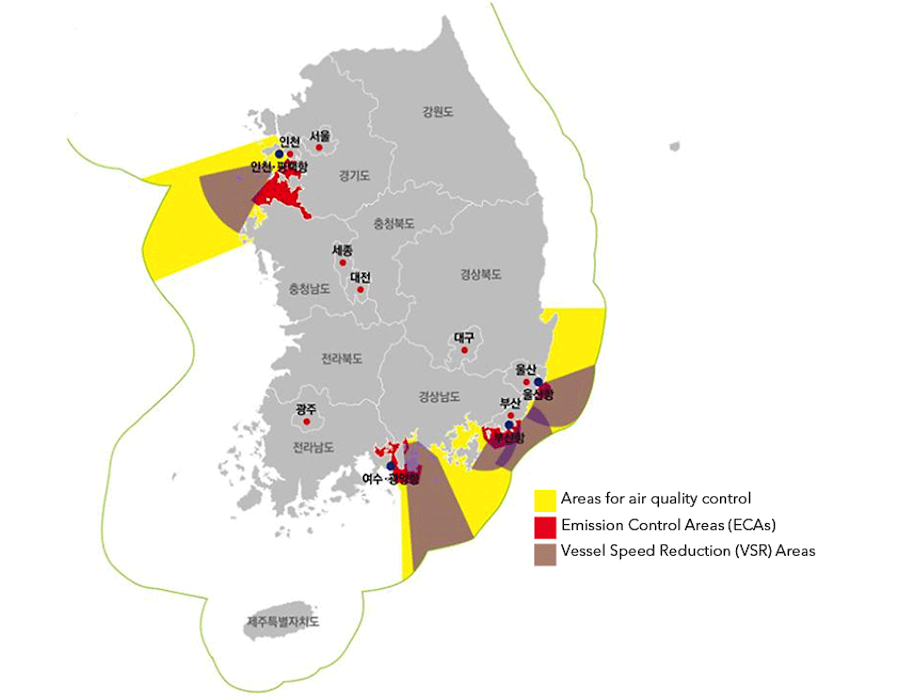
Classification society DNV GL on Monday (27 April) published an update on new emissions control area (ECA) definitions and speed reduction limits at South Korean ports to support the government’s program to control air quality:
To reduce particulate emissions from ocean going ships in its ports, South Korea has released a “special act on improvement of air quality in port areas”. Find out more about the Korean ECA and its Vessel Speed Reduction (VSR) programme in this statutory news.
Relevant for ship owners and managers sailing vessels to South Korean ports.
The South Korean Ministry of Maritime Affairs and Fisheries (“MOF”) has announced an air quality control programme that defines selected South Korean ports and areas as Emission Control Areas (ECA). A programme with maximum sulphur limits (0.1%) and speed limits will support the effectiveness of the programme. The following ports/areas are covered by the air quality control programme:
- Incheon, Pyeongtaek, Dangjin Area
- Yeosu, Gwangyang area
- Busan
- Busan(west) area
- Ulsan area
The air quality control initiatives in South Korea consist of two parts:
- Sulphur restriction
-
- From 1 September 2020 it is mandatory to use fuel with max. 0.1% sulphur content while berthing. Vessels will be required to use max 0.1% sulphur fuel when berthing/anchoring for the times set out below:
- Berthing: 1 hour after completion of berthing until 1 hour before de-berthing.
- Anchoring: 1 hour after completion of anchoring until 1 hour before leaving anchor.
- From 1 January 2022: It will be mandatory to use fuel with max. 0.1% sulphur content while navigating ECAs.
- Speed reductions
The port areas selected will be designated as “VSR programme Sea Areas”. Each Sea Area will span 20 nautical miles in radius, measured from a specific lighthouse in each port. Ships should navigate no faster than a maximum speed of 12 knots for container ships and car-carriers, 10 knots for other ship types, when moving from starting point to an end point within a Sea Area, see table:

- Ships included in the programme:
Ships covered under for the VSR programme differ at each port, but must be over 3,000GT and among the top 3 “fine-dust emitting” ship-types (see chart above). - Lower speed pays off:
Under the VSR programme, ships will have their port facilities fees lowered when they enter defined port areas at speed levels as defined above. For affected ships, port entry/leave fee (currently 111 KRW per ton), will be discounted. The discount ceiling will differ between the ports. Container ships, for example, which traditionally enter port at relatively high speeds, will enjoy up to a 30% discount, while other ships will be granted a 15% discount.
Recommendations:
Shipowners and operators should be aware of the following regulations:
South Korean ECA – From 1 September 2020, ships berthing or anchoring at certain Korean ports (South Korean ECA), must use max. 0.1% sulphur content fuel (or reduce emissions below this target). From 1 January 2022 this limit also applies when navigating the ECA area.
Vessel Speed Reduction (VSR) Programme
Port fees will be reduced for ships which lower their speeds to set targets defined in the VSR programme Sea Areas.
References
- Ministry of Oceans and Fisheries article (KOR)
- Ministry of Oceans and Fisheries news on “Vessel speed reduction(VSR) programme to start december this year” (ENG)
Source and photo credit: DNV GL
Published: 28 April, 2020
Biofuel
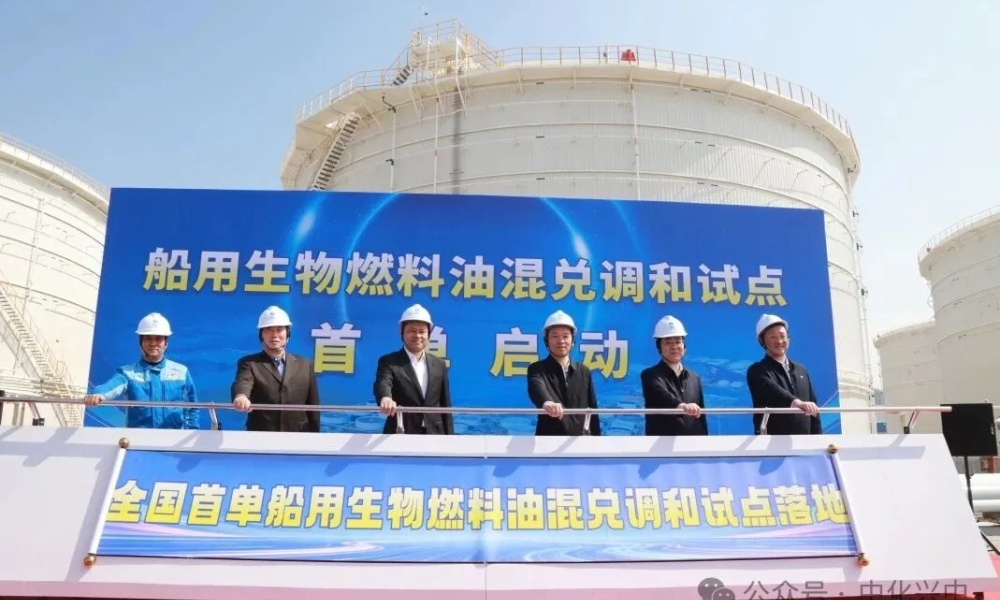
Petrochina International blends over 30,000 mt of marine biofuel since March
Company has been developing marine biofuel blending operations at China (Zhejiang) Pilot Free Trade Zone, leveraging storage and logistics facilities at its Aoshan base.
Winding up
Singapore: Final general meetings scheduled for Dromond Shipping, related firms
A member is entitled to attend the meetings and should notify the liquidators’ team office via email no later than 48 hours prior to the meeting.

Ammonia
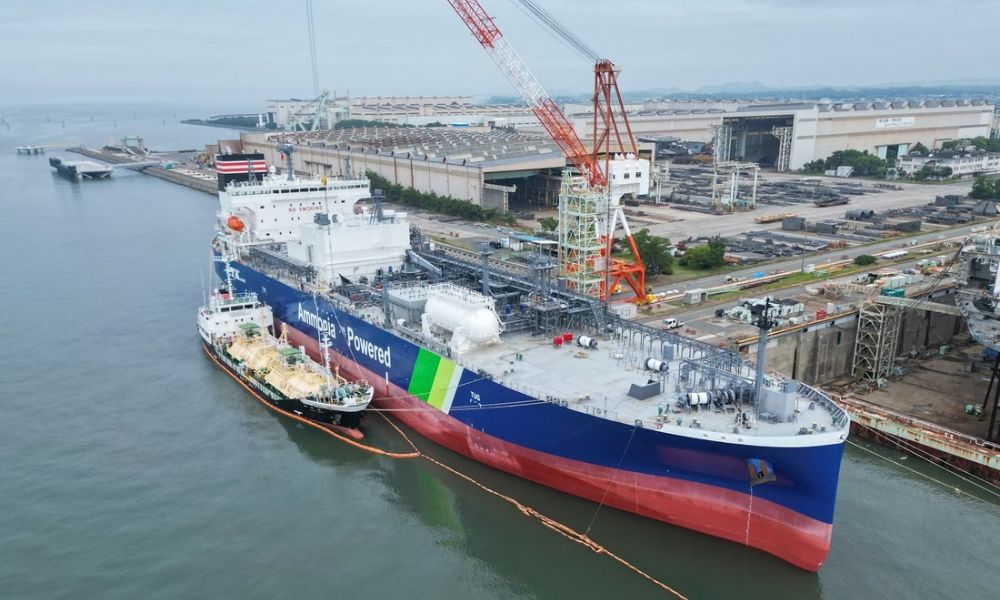
NYK wraps up first STS ammonia bunkering operation in Japan
Ammonia fuel was transferred from the ammonia carrier “Shoei Maru” via the STS method to an ammonia-fuelled medium gas carrier, scheduled for delivery in November 2026.

OUR INDUSTRY PARTNERS

Petrochina International blends over 30,000 mt of marine biofuel since March

Singapore: Final general meetings scheduled for Dromond Shipping, related firms

NYK wraps up first STS ammonia bunkering operation in Japan

Azane secures ammonia bunker fuel supply from Yara

Moeve launches construction of green hydrogen project to support marine fuels

DNV: How ethanol is expanding shipping’s fuel choices

World Fuel founder Michael J. Kasbar to step down as Executive Chairman

Peninsula confirms one fatality, crew member missing from bunker tanker “Hercules Star”

Singapore: Marine fuel testing firm CCIC Singapore faces winding up application

Singapore: MPA working with industry on next phase of digital bunkering, says Deputy CE

Amogy and LOTTE Fine Chemical to explore ammonia bunkering in South Korea

Kongsberg Maritime to buy Finnish marine propulsion designer Steerprop

High Court of Singapore issues winding up order against Hengli Petrochemical International

China: Guangzhou completes first bio-methanol STS bunkering operation
-
 Incident2 weeks ago
Peninsula confirms one fatality, crew member missing from bunker tanker “Hercules Star”
-
 Winding up7 days ago
Singapore: Marine fuel testing firm CCIC Singapore faces winding up application
-
 Technology2 weeks ago
Singapore: MPA working with industry on next phase of digital bunkering, says Deputy CE
-
 Ammonia2 weeks ago
Amogy and LOTTE Fine Chemical to explore ammonia bunkering in South Korea
-
 Business2 weeks ago
Kongsberg Maritime to buy Finnish marine propulsion designer Steerprop
-
 Winding up1 week ago
High Court of Singapore issues winding up order against Hengli Petrochemical International
-
 Alternative Fuels2 weeks ago
China: Guangzhou completes first bio-methanol STS bunkering operation
-

 Engine2 weeks ago
Polaris Shipping orders WinGD engines capable of running on methanol, ethanol